
Manokwari
Manokwari holds a notable place in Papuan Christian history as the site where German missionaries first landed in 1855, an event still commemorated locally as a founding moment for the region's Christian communities, marked each February with the Injil Masuk (Gospel Arrival) celebration. The town sits at the base of Table Mountain (Gunung Meja), a forested reserve with old Dutch-era graves and lighthouse remnants that gives Manokwari a green backdrop uncommon among Papua's coastal towns.
Manokwari also functions as an administrative capital for West Papua province and a research base for scientists studying the Bird's Head region's exceptional biodiversity. It's not typically a standalone destination but rather a stopover for those working through the region's broader research and conservation circuits, or a base for exploring nearby beaches and the Arfak Mountains further inland, home to distinct highland cultures and birding sites for species like the Vogelkop bowerbird.
Manokwari FAQs
It's more a practical stop than a standalone destination — worthwhile for the mission history and Table Mountain reserve, but most travelers combine it with trips into the Arfak Mountains or use it as a transit point.
By hired car or motorbike partway, followed by trekking, since roads deteriorate quickly into the highlands; arranging a local guide familiar with the villages is strongly advised.
Early February, when Manokwari marks the anniversary of the missionaries' 1855 arrival with church services and community events.
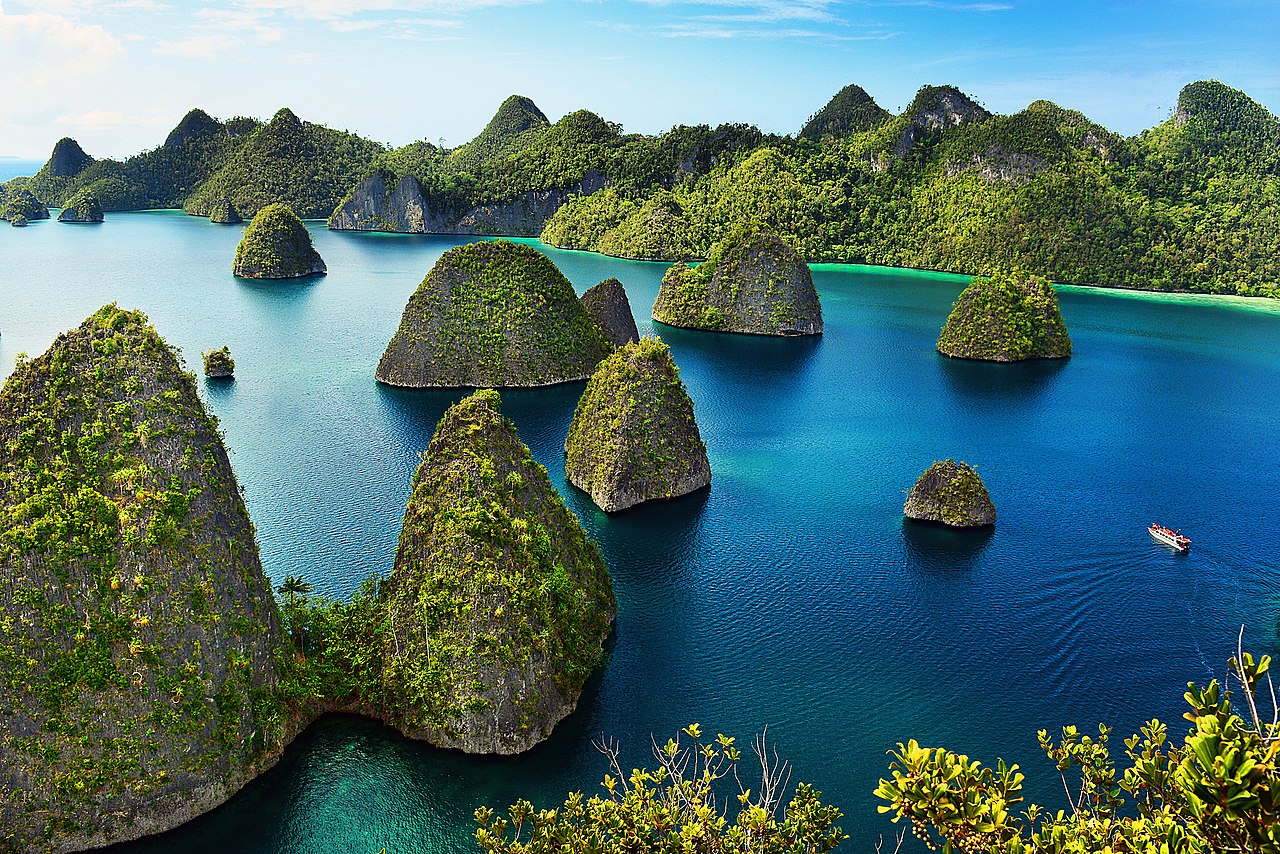
Yes, Pasir Putih and a few other spots outside town offer decent swimming and snorkeling, though nothing to rival Raja Ampat further west.
The town itself less so, but it's a practical base for arranging trips into the Arfak Mountains, one of the best birding regions in Papua for endemic species.
More in Papua




Reviews/Comments
No comments yet — be the first.