
India
India is less a single destination than a continent's worth of distinct regions loosely bound by one government — the food, language, architecture, and pace of life change dramatically crossing a state line. A first trip usually means picking a region rather than attempting the whole country, and the "Golden Triangle" of Delhi, Agra, and Jaipur remains the classic entry point: Mughal architecture (the Taj Mahal chief among it), Rajasthani forts and palaces, and Delhi's own dense layering of history.
Beyond that triangle, the range is enormous. Kerala's backwaters offer a slower, greener, houseboat-based trip in the south; Varanasi, on the Ganges, is one of the world's oldest continuously inhabited cities and a genuine spiritual center rather than a staged experience; Goa trades temples for beaches and a lingering Portuguese-colonial character; the Himalayan north (Ladakh, Himachal Pradesh) is trekking and monastery country that feels closer to Tibet than to Delhi.
Indian food varies as much as the geography — what's called "Indian food" abroad is usually specifically North Indian; South Indian, Bengali, and Goan cuisines are genuinely distinct cuisines in their own right, and trying region-specific food rather than assuming it's all one thing is one of the real rewards of moving between states.
First-time visitors should budget more logistics time than a similarly-sized trip elsewhere would need — traffic, bureaucracy, and sheer scale mean itineraries benefit from built-in slack. October-March is the most comfortable window for most of the country, avoiding both peak summer heat and the monsoon.
Agra exists in the popular imagination almost entirely because of one building, and the Taj Mahal genuinely earns that reputation: Shah Jahan's marble mausoleum for his wife Mumtaz Mahal is more precise and more moving in person than any photograph suggests, particularly at sunrise when the crowds are thinnest and the light softest. But treating Agra as a one-monument day trip from Delhi undersells it. Agra Fort, a red sandstone Mughal citadel on the river, is where Shah Jahan himself was later imprisoned by his son Aurangzeb, reportedly gazing at the Taj from a marble balcony until his death. Fatehpur Sikri, Akbar's abandoned capital 40 km out, is an entire Mughal city frozen mid-use, complete with a working shrine to the Sufi saint Salim Chishti where visitors still tie threads for wishes. The city itself is congested, aggressively touristy near the monuments, and its marble and leather workshops run persistent commission-driven sales pitches, so it rewards visitors who come with a plan rather than wandering in expecting charm. Agra's petha (a translucent ash-gourd sweet) and Mughlai food are worth seeking out away from the tourist strips.
Ahmedabad is Gujarat's commercial capital and its most textured city to walk through, built around a maze of pols — gated residential clusters in the old city where wooden havelis with carved facades still stand, many now protected as a UNESCO World Heritage city. The early-morning heritage walk through this quarter is one of India's better city walking tours, ending at a Jain temple with a communal stepwell. Sabarmati Ashram, where Gandhi lived and ran his campaigns for over a decade, including launching the Dandi Salt March from its gates, is the city's most visited site and manages to feel understated rather than monumental. Adalaj Stepwell, a short drive out, is a five-storey subterranean structure with carving so dense it reads more like lacework than stone. Food is a serious reason to visit on its own: Ahmedabad's vegetarian thalis are elaborate multi-course affairs, and the old city's night food streets (Manek Chowk turns into a food market after dark) serve Gujarati and Kathiyawadi street food that's hard to replicate elsewhere.
Ajmer is built around the dargah of Sufi saint Moinuddin Chishti, one of the most visited Islamic shrines in South Asia, drawing pilgrims of every faith who come for its urs (death anniversary festival) and its Thursday night qawwali sessions. The atmosphere around the dargah, with its huge iron cauldrons used for communal cooking and constant flow of pilgrims, is unlike anywhere else in Rajasthan. Most travellers see Ajmer as an add-on to Pushkar, 15 minutes away by road, rather than a standalone stop, and that's a reasonable way to plan it given how little time the dargah itself takes. The Adhai-din-ka-Jhonpra mosque nearby, built from a repurposed Sanskrit college using Jain and Hindu temple pillars, is a striking (and underrated) piece of architecture worth the short detour.
Alibaug is Mumbai's weekend escape of choice: a stretch of Konkan coast close enough for a ferry-and-a-nap journey, with beaches that are pleasant rather than spectacular but more than compensated for by the pace of life once you're there. Kolaba Fort, a 17th-century sea fort reachable only at low tide by walking across the exposed seabed, is the singular sight worth timing your visit around. Beyond the fort, Alibaug's appeal is really about weekend farmhouses, boutique stays, and a slower rhythm than Mumbai, plus reasonably good seafood along the coast. It gets crowded and traffic-heavy on weekends and near-empty on weekdays, so the experience varies a lot depending on when you go.
Alleppey (Alappuzha) is the epicentre of Kerala's backwater tourism, a network of lagoons, canals and lakes fringed by coconut palms and paddy fields that sit below sea level, held back by an ingenious system of bunds. An overnight houseboat cruise here, drifting past village life on the water's edge with meals cooked on board, is the reason most people come, and it delivers on the postcard image more reliably than almost anywhere else in India. The town itself, once a major port and still laced with old canals and warehouses, is workmanlike rather than picturesque, so most visitors treat it as a gateway to the backwaters rather than a destination for its own streets. Alleppey Beach, with its 19th-century pier, is a pleasant sunset spot but not the region's main appeal. Small-group canoe tours through the narrower canals show village life the big houseboats can't reach, and are worth doing alongside, not instead of, a houseboat night.
Amaravati has two identities layered on top of each other: it was one of the most important Buddhist centres in ancient India, home to a massive stupa built under the Satavahanas that once rivalled Sanchi in scale, and it's also the planned new capital of Andhra Pradesh, still under construction and largely undeveloped as a city in the everyday sense. The ancient site is what draws most visitors — the Archaeological Museum houses limestone carvings and railings from the original Mahachaitya stupa, remarkable for their narrative detail even though the stupa itself survives only in fragments (a large share of its best sculptures were removed to museums in Chennai and London in the colonial period). The adjacent Amareswara Temple, one of the twelve Jyotirlinga shrines, adds a living Hindu pilgrimage layer to a site that's otherwise mostly archaeological.
Amritsar is built around the Golden Temple (Harmandir Sahib), Sikhism's holiest site, and the experience of visiting it is unlike almost anything else in India: a marble causeway leads to a gold-plated shrine floating in a sacred pool, open to all visitors regardless of faith, running a free kitchen that feeds tens of thousands of people a day without exception. Visiting after dark, when the temple is lit and reflected in the water, is the single most recommended thing to do here. Jallianwala Bagh, a walled garden a short walk from the temple, is the site of the 1919 massacre where British troops killed hundreds of unarmed civilians; the bullet-marked walls and the well where people jumped to escape gunfire are preserved as a memorial. It's a sobering counterpoint to the temple's serenity, and most visitors do both in the same walk. The Attari-Wagah border ceremony, a theatrical, high-kicking flag-lowering face-off between Indian and Pakistani border guards performed nightly to a stadium of cheering spectators on both sides, is genuinely worth the detour despite feeling more like a sporting event than a solemn state occasion. Food is a major reason to linger: Amritsari kulcha, dal makhani, and lassi here set a benchmark for Punjabi cuisine that's hard to match elsewhere, and the old city's food lanes (particularly around Kesar Da Dhaba) are worth a dedicated evening.
Araku Valley is a hill station in the Eastern Ghats of Andhra Pradesh known for two things that don't usually go together in India: coffee cultivation by indigenous tribal communities, and a spectacular train journey to get there. The Araku Valley train from Visakhapatnam winds through more than 50 tunnels and numerous bridges cut into the hills, and for many visitors the journey is as much the point as the destination. Once in the valley, Araku's coffee plantations (grown by Adivasi farmers and sold locally as a distinct, traceable product) and its tribal museum, which documents the customs of the region's indigenous groups, are the main cultural draws. Borra Caves nearby, a network of limestone caves with stalactite and stalagmite formations over a million years old, adds a natural-history stop to the same trip.
Ayodhya is central to Hindu tradition as the birthplace of Ram, and has become the site of India's most consequential and contested temple construction in decades: the Ram Mandir, built on the site of the demolished Babri Masjid, opened to pilgrims in 2024 and now draws enormous crowds daily. Whatever one's view of its history, the temple itself and the scale of pilgrim infrastructure built around it are now central to any visit. Beyond the Ram Mandir, Ayodhya has a much older layer of temples and ghats along the Sarayu river, including Hanuman Garhi (dedicated to Hanuman, considered mandatory by most pilgrims before visiting the Ram Mandir) and Kanak Bhawan. Evening aarti on the Sarayu ghats has become a large-scale spectacle, deliberately styled after Varanasi's Ganga aarti.
Bengaluru is India's technology capital, and that identity shapes almost everything about visiting it: a young, well-travelled population, a genuinely excellent restaurant and craft beer scene, and a pace of life closer to a global tech hub than a typical Indian city, layered awkwardly on top of older Kannadiga neighbourhoods, colonial-era cantonment architecture, and gridlocked traffic that infrastructure hasn't caught up with. Lalbagh Botanical Garden and Cubbon Park are the city's green lungs, and both are genuinely pleasant for a morning walk, something increasingly rare in Indian metros. Bangalore Palace, built in a Tudor style by the Wadiyar royal family, and the older Bengaluru Fort area, give a sense of the city before it became a tech hub. Bengaluru's real draw for most visitors, though, is its food and drink scene: it has more microbreweries than any other Indian city, a deep South Indian breakfast culture (its dosas and idlis are locally regarded as some of the country's best), and an increasingly serious fine-dining and craft cocktail landscape. Because it functions as a hub for the tech industry, it also has a large expat and relocated-professional population, and neighbourhoods like Indiranagar and Koramangala have a cosmopolitan, cafe-dense character that differs sharply from the older Basavanagudi or Malleswaram areas. Nandi Hills, a popular sunrise trip about 90 minutes out, is the standard weekend escape from the city.
Bharatpur is synonymous with Keoladeo National Park, a UNESCO World Heritage-listed wetland that's one of the finest bird sanctuaries in Asia, historically famous for wintering Siberian cranes (no longer visiting in significant numbers) and still hosting hundreds of resident and migratory species including painted storks, herons and pelicans. Exploring it slowly by bicycle or cycle-rickshaw with a local birding guide, rather than rushing through, is what makes a visit worthwhile. Beyond the park, Bharatpur's Lohagarh Fort ('Iron Fort') earned its name by successfully repelling repeated British sieges in the early 19th century, a rare distinction among Rajasthani forts, and its museum inside holds a modest but interesting collection of regional artefacts.
Bhimashankar is home to one of the twelve Jyotirlinga shrines dedicated to Shiva, set inside a dense wildlife sanctuary in the Sahyadri range that's also a notable habitat for the endangered giant Indian squirrel. The temple itself, an older stone structure rebuilt over centuries with later Peshwa-era additions, draws a steady stream of pilgrims, particularly heavy on Mondays and during Mahashivratri. Beyond the temple, the surrounding sanctuary offers moderate trekking through Western Ghats forest, and the drive up from Pune through switchback ghat roads is scenic in its own right, especially during and just after the monsoon when the hills turn intensely green.
Bhopal, Madhya Pradesh's capital, is a city of two lakes and two histories: an old city built by the Nawabs of Bhopal, with grand mosques like Taj-ul-Masajid (among India's largest) and a maze of bazaars, and a more recent, tragic identity as the site of the 1984 gas disaster, still a defining part of the city's story though not something most tourist visits centre on directly. The real draw for most travellers is what lies just outside the city: the Bhimbetka rock shelters, a cluster of caves with paintings dating back tens of thousands of years, among the oldest evidence of human habitation and artistic expression in India, and a genuinely significant prehistoric site that gets far less attention than it deserves. Within the city, the lakeside promenades, the State Museum's collection of regional sculpture, and the old city's Chowk area with its bangle markets and street food (Bhopal is known for its poha and unique Bhopali-style biryani) round out a visit that works well as a stop between Delhi and points further south like Khajuraho or Sanchi.
Bhubaneswar is often called the 'Temple City' of India, and the description undersells it: at its peak the city had over a thousand temples built between the 6th and 12th centuries, and several hundred survive, clustered densely around the sacred tank of Bindusagar. The Lingaraj Temple, a soaring 11th-century Kalinga-style structure dedicated to Shiva, is the centrepiece, though as with many active Hindu temples in India, non-Hindus are not permitted into the inner sanctum. The Rajarani Temple, known for its ornate sculpted spire and lack of a deity (it's no longer used for active worship), and Mukteshwar Temple, a smaller but exceptionally well-preserved 10th-century structure often called the gem of Odishan architecture, are both easier for any visitor to appreciate fully since they're treated more as monuments than active shrines. Just outside the city, the Udayagiri and Khandagiri caves are rock-cut Jain monastic dwellings dating to the 1st century BCE, carved with detailed friezes depicting royal processions and daily life. Bhubaneswar also functions as the natural base for visiting Puri's Jagannath Temple and Konark's Sun Temple, both reachable comfortably in a day.
Bidar is one of the Deccan's most overlooked historical towns, a former capital of the Bahmani Sultanate whose fort and monuments rival better-known Deccan sites without the crowds. Bidar Fort, a massive laterite structure with Persian-influenced tilework surviving in patches on its gateways, encloses palace ruins, a mosque, and a hammam (bathhouse) that hint at how sophisticated the Bahmani court was. The Bahmani tombs at Ashtur, several kilometres out, are grand domed mausoleums for the sultanate's rulers, some retaining traces of the original painted and glazed tile decoration that once covered them fully. Bidar's old city also has a distinct Bidriware craft tradition (metal inlay work in black alloy) that's been practised locally for centuries and makes for a genuinely local souvenir.
Binsar is a forested ridge in Kumaon, protected as a wildlife sanctuary, known less for wildlife sightings (though leopards and Himalayan birds are present) than for its viewpoint: on a clear day, Zero Point offers one of the widest unobstructed panoramas of the Himalayan range in Uttarakhand, taking in peaks from Nanda Devi to Kedarnath. The forest itself, dominated by oak and rhododendron, is dense and quiet, and walking its trails is the main activity. There's little in the way of a town or markets here; Binsar is a destination for people who want isolation and forest walks over shopping or sightseeing, and the handful of heritage stays and forest lodges inside and around the sanctuary lean into that. It works well as a quieter counterpoint to busier Kumaon hill stations like Nainital.
Bishnupur in West Bengal is known for a distinctive style of terracotta temple architecture unique to Bengal, built by the Malla kings between the 17th and 18th centuries, with facades covered in intricately carved brick panels depicting scenes from the Ramayana, Mahabharata and everyday Bengali life. The Jor Bangla and Shyam Rai temples are the most celebrated examples, their curved 'do-chala' roof forms mimicking traditional Bengali thatched huts translated into fired brick. Bishnupur is also historically important as the birthplace of the Bishnupur gharana of classical music and is known for its Baluchari silk sarees, woven with mythological scenes, both of which make for worthwhile additions to a temple-focused visit.
Bodh Gaya is one of Buddhism's four most important pilgrimage sites, marking the spot where Siddhartha Gautama is believed to have attained enlightenment under a Bodhi tree. The Mahabodhi Temple, a soaring 5th-century (with earlier origins) structure now a UNESCO World Heritage site, stands beside a descendant of that original tree, and the atmosphere around it, thick with maroon and saffron-robed monks, chanting, and prostrating pilgrims from across Asia, is genuinely distinct from anywhere else in India. What makes Bodh Gaya unusual is the ring of monasteries built by different Buddhist nations around the temple, each in its own national architectural style: a Thai wat with sweeping golden roofs, a Tibetan monastery with a giant prayer wheel, a Japanese temple, a Bhutanese one, and more, effectively making the town a compact cross-section of global Buddhism. Many welcome visitors and some offer meditation retreats or basic accommodation.
Champaran (Chhattisgarh): Champaran in Chhattisgarh is a small, lesser-visited locality rather than a major tourist circuit stop, and information on specific monuments here is limited compared to Chhattisgarh's better-known sites like Bastar or Sirpur. Visitors typically pass through or stop briefly as part of a wider regional itinerary rather than basing a trip specifically around it. Given its low profile, it's best approached as a stop for travellers already exploring rural Chhattisgarh who want to see areas well off the standard tourist path, with the understanding that infrastructure and formal sightseeing options are minimal.
Chandigarh is unlike any other Indian city because it was built essentially from scratch after Partition, designed by Swiss-French architect Le Corbusier as independent India's first fully planned city, and it still reads that way: wide sector-grid roads, deliberate green belts, and a coherent modernist civic architecture rare anywhere in the country. The Capitol Complex, a UNESCO World Heritage site comprising the Legislative Assembly, Secretariat and High Court, is the purest expression of this vision and worth arranging a visit to (permits are required in advance given it's an active government zone). The Rock Garden, built secretly over decades by government official Nek Chand entirely from industrial and household waste (broken ceramics, bangles, electrical fittings), is the city's most beloved and unexpected attraction, a sprawling fantasy landscape that stands in complete contrast to the city's otherwise rational planning. Sukhna Lake, an artificial lake at the base of the Shivalik foothills, is the city's social heart for morning walks and boating, and Chandigarh's overall standard of living, cleanliness and green cover consistently rank it among India's most liveable cities, even if that comes with a slightly sterile, suburban feel compared to older Indian cities' street life and chaos.
Chennai is the cultural anchor of Tamil Nadu, a city that wears its classical heritage — Carnatic music, Bharatanatyam dance, and Dravidian temple architecture — alongside a modern identity as a major automotive and IT hub, without one erasing the other. Kapaleeshwarar Temple in Mylapore, with its towering Dravidian gopuram, is the spiritual centre of the old city and a working example of South Indian temple architecture rather than a museum piece. Marina Beach, one of the longest urban beaches in the world, is more a place for an evening walk and people-watching than swimming, given the currents and crowds, but it's a genuine social institution for the city. Fort St. George, built by the British East India Company in the 17th century, marks the beginning of colonial Madras and houses a museum with artefacts from that period. Chennai's December music season (the Margazhi festival), when the city hosts hundreds of Carnatic music and dance performances across dozens of venues over about six weeks, is one of the world's largest classical performing arts festivals and, if your visit coincides, transforms the city's cultural calendar entirely. The city's food culture, centred on filter coffee, dosas, and Chettinad-influenced dishes, is deeply serious business here, and its traditional Mylapore-area 'meals' restaurants (thali-style vegetarian lunches served on banana leaves) are a genuine institution worth prioritising over more generic hotel dining.
Chettinad, in Tamil Nadu, is famous for two things: its cuisine, among the most complex and spice-forward in South India, built on a trading community's historic access to imported spices; and its architecture, a startling collection of vast mansions built by Chettiar merchant families in the 19th and early 20th centuries using materials sourced from across the world — Italian marble, Burmese teak, Belgian glass — funnelled back into remote Tamil villages by a community that made its fortune in banking and trade across Southeast Asia. Many of these mansions now stand empty or semi-occupied as families moved to cities, giving villages like Kanadukathan and Athangudi a slightly haunted, oversized grandeur; a few have been converted into heritage hotels or are opened for a fee by caretaker families. Athangudi is also known for its handmade cement floor tiles, still produced using traditional techniques, and worth seeing being made if a workshop is open. Chettinad cuisine, with its pepper-heavy meat curries and distinctive spice blends, is reason enough on its own to plan a stop here.
Chittorgarh Fort is one of India's largest forts and arguably its most historically loaded, the former capital of Mewar and the site of three separate jauhars (mass self-immolations by royal women choosing death over capture) during sieges by Delhi Sultanate and Mughal forces between the 14th and 16th centuries. Walking its grounds, which include palace ruins, temples, and two towering commemorative pillars, comes with a weight of history that's hard to find elsewhere in Rajasthan. The Vijay Stambh, a nine-storey victory tower built by Rana Kumbha in the 15th century covered in sculpted deities, and the older Kirti Stambh, a Jain tower of fame, are the fort's most photographed structures. Rani Padmini's Palace, tied to the legend of Padmini (whose story is central to why Alauddin Khilji besieged the fort), draws visitors even though the current structure is a later reconstruction rather than the original.
Coimbatore is a major industrial and textile city in western Tamil Nadu, functioning for most travellers primarily as the gateway to the Nilgiri hills — Ooty and Coonoor are both reached from here, and Coimbatore's airport is the most convenient way to reach that hill region by air. The city itself, while not a major tourist draw, has the Isha Yoga Center at the foot of the Velliangiri hills, home to the striking 34-metre Adiyogi Shiva statue, which draws its own steady stream of visitors independent of any Nilgiris trip. Marudamalai Temple, on a hilltop just outside town with views over the city and surrounding Western Ghats, is a popular local pilgrimage spot with a cable car option for those who'd rather not climb. Beyond these, Coimbatore functions mostly as a practical stopover — a place with good food (particularly Kongunadu-style Tamil cuisine) and infrastructure rather than a bucket-list destination in its own right.
Dabhoi is known almost entirely for one thing: its 13th-century fort walls and four elaborately carved stone gateways, built under the Solanki dynasty, considered some of the finest surviving examples of medieval Hindu-Jain temple-style stone carving applied to military architecture. The Hira Bhagol (diamond gate) and Vadodara gate in particular are dense with sculpted figures, floral motifs and mythological scenes, more ornate than most fort gates in India, which tend toward the purely functional. Beyond the gates, Dabhoi itself is a modest, workaday Gujarati town rather than a broader sightseeing destination, so most visitors treat it as a focused half-day stop, usually from Vadodara, specifically to see the gates rather than as a longer stay.
Datia is a small Madhya Pradesh town known for one of the most striking pieces of 17th-century Bundela architecture in India: the Bir Singh Deo Palace, a seven-storey sandstone palace built by Raja Bir Singh Deo that stands empty and largely unrestored on a hill above the town, giving it an eerie, cinematic quality that's earned it use as a filming location. Unlike many restored Indian palaces, Datia's is left mostly bare, letting its symmetry and scale speak for itself. The town also has the Peetambara Peeth temple, a significant Shakti pilgrimage site drawing devotees from across the region, adding a living religious dimension alongside the palace's more architectural appeal. Most visitors see Datia as a stop between Gwalior and Orchha (both close by) rather than a standalone destination.
Deeg is known for a single, excellent sight: Deeg Palace, a Jat-era summer palace built by the rulers of Bharatpur, notable for its extensive Mughal-style gardens and an elaborate system of over 2,000 fountains fed by gravity from elevated tanks, an engineering feat for its time. The palace's pavilions, with names like Gopal Bhawan and Suraj Bhawan, sit around a large formal garden and reflect the wealth and artistic ambition of the Bharatpur Jats. Beyond the palace, Deeg itself is a modest town with little else geared toward tourists, so it's best treated as a focused half-day or short detour, typically combined with visits to nearby Bharatpur or en route to Alwar.
Dehradun, the capital of Uttarakhand, functions for most travellers as a gateway city — the practical rail and air hub for reaching Mussoorie (about an hour up the hill), Rishikesh, and Haridwar, all of which draw more dedicated tourist attention than Dehradun itself. That said, it has a few worthwhile stops of its own: the Forest Research Institute, housed in a grand colonial-era building with a good museum on Indian forestry and colonial architecture, and Robber's Cave, a natural rock and stream formation where visitors wade through shallow water between narrow canyon walls. The city's more relaxed, greener character (owing to its elevation and surrounding forests) and reasonably good schools and institutions have long made it a preferred settling-down city for retirees and professionals from across North India, giving it a slightly more orderly, less frenetic feel than many plains cities its size.
Delhi is India's capital and, in many ways, its most complete single-city introduction to the country's layered history: Mughal-era Old Delhi, built by Shah Jahan in the 17th century around the Red Fort and Jama Masjid, sits a short drive from Lutyens' Delhi, the wide colonial-era boulevards and government buildings built by the British as their new imperial capital in the early 20th century, which in turn coexists with a sprawling, fast-growing modern metropolis of over 30 million people across the wider National Capital Region. The must-see historical sites are genuinely essential rather than optional: the Red Fort and Jama Masjid anchor Old Delhi's chaotic, atmospheric lanes; Humayun's Tomb, a precursor in design to the Taj Mahal, is arguably as architecturally significant and far less crowded; and Qutub Minar, a 73-metre 12th-century minaret surrounded by an intriguing complex of ruins and an unrusted iron pillar, rounds out Delhi's core UNESCO trio. Beyond monuments, Delhi's food scene operates on two very different registers that are both worth experiencing: Old Delhi's street food institutions (parathas in Paranthe Wali Gali, kebabs near Jama Masjid) that have run for generations, and a genuinely world-class fine-dining and bar scene concentrated in areas like Khan Market, Hauz Khas Village and Golf Links catering to a wealthy, well-travelled clientele. Delhi's air quality, particularly from late October through winter, deteriorates severely and is a real consideration for travel planning, not just a minor inconvenience — it affects outdoor sightseeing and can be a genuine health concern for those with respiratory conditions. The city is also large enough that ambition should be tempered: trying to combine Old and New Delhi, several museums, and day trips to Agra all in two days usually backfires, and four days is a more realistic minimum to see the city properly without exhausting yourself.
Dharmasthala is a unique pilgrimage town centred on the Sri Manjunatha Temple, a Shiva temple whose management, unusually, has been overseen for centuries by a Jain family (the Heggade lineage) who administer both Hindu and Jain religious functions side by side, making it one of India's most distinctive examples of interfaith religious coexistence. The temple's massive free community kitchen feeds thousands of pilgrims daily without exception, similar in spirit to the Golden Temple's langar. The town also has a large statue of Bahubali (Gomateshwara), a revered Jain figure, along with a museum showcasing vintage cars and other curiosities collected by the temple trust. Dharmasthala functions as both an active pilgrimage site and a well-run charitable institution, with the temple trust also operating hospitals and educational institutions in the region.
Diamond Harbour is a quiet riverside town south of Kolkata where the Hooghly river widens considerably before meeting the Bay of Bengal, historically significant as a strategic point for controlling river access to Kolkata's port, with the ruins of an old fort reflecting that role. Today it functions mainly as a relaxed day-trip destination from Kolkata, offering river views, boat rides, and a slower pace than the city. Its main appeal is simplicity: a break from Kolkata's density, a chance to see the Hooghly at its widest and most estuary-like, and a modest fort site for anyone interested in the region's colonial and pre-colonial river-defence history, rather than an extensive sightseeing circuit.
Faridabad is primarily an industrial satellite city of Delhi, and most travellers know it for one specific event rather than the city itself: the Surajkund International Crafts Mela, held every February, which brings together artisans, craftspeople and folk performers from across India and invited partner countries for a two-week fair that's one of the country's largest craft and cultural showcases. Outside of that window, Surajkund's ancient reservoir and surrounding park offer a quieter, low-key visit. Beyond Surajkund, Faridabad functions largely as an extension of the Delhi-NCR urban sprawl rather than a standalone tourist destination, and most visitors treat it as a day trip or brief stop connected to a wider Delhi-based itinerary.
Ghaziabad is a large satellite city in the Delhi-NCR region, functioning primarily as a residential and industrial extension of the capital rather than a tourist destination in its own right. It doesn't carry the historical monuments or heritage sites that define most entries on an India travel itinerary, and most visitors experience it as a transit or stopover point connected to broader Delhi-NCR plans rather than a place to sightsee. For travellers passing through, it's best understood as part of the wider NCR urban fabric — useful for its metro connectivity and proximity to Delhi and Noida — rather than as a destination with its own dedicated attractions.
Goa is India's smallest state by area but carries an outsized identity — nearly 450 years of Portuguese colonial rule left it with a distinct food, architecture, and social culture that feels genuinely different from the rest of the country, down to widely available beef and pork dishes in a majority-Hindu nation. North Goa (Baga, Calangute, Anjuna) is the livelier, party-oriented half — beach clubs, trance-music history dating back to the original 1960s-70s hippie trail, and the busiest nightlife. South Goa (Palolem, Agonda) is quieter and more upscale, with calmer beaches and a slower pace that suits travelers who came for relaxation rather than nightlife. Old Goa's churches, including the Basilica of Bom Jesus (a UNESCO World Heritage Site holding the remains of St. Francis Xavier), are the state's main inland historical draw, alongside spice plantations and a genuinely distinct Goan cuisine — vindaloo, in its authentic form, is Goan-Portuguese, not the generic "very spicy curry" it's often flattened into abroad. November-February is peak season with the best weather and biggest crowds; the June-September monsoon shuts down much of the beach infrastructure but drops prices sharply for travelers who don't mind rain.
Gondal is a small former princely state in Gujarat's Saurashtra region, notable for a cluster of palaces built by its progressive Maharajas and for a genuinely excellent vintage and classic car collection, one of the best-preserved royal automobile collections in India, housed at the Riverside Palace. The Naulakha Palace, an older 17th-century structure, and the newer Orchard Palace add architectural variety within a small area. Gondal's rulers were known for comparatively progressive governance (investing early in education, sanitation and infrastructure for the state), and the town retains a quieter, less touristy character than Gujarat's bigger heritage stops, making it a worthwhile detour for anyone interested in princely-era history without the crowds of more famous royal cities.
Greater Noida is a planned satellite city adjoining Noida, built primarily around industrial development, educational institutions and large-scale event infrastructure rather than heritage tourism. Its best-known landmark is the Buddh International Circuit, a Formula 1-grade racetrack that hosted the Indian Grand Prix in the early 2010s and now runs other racing events and occasional public track days. For most travellers, Greater Noida functions as part of the wider Delhi-NCR urban and business landscape rather than a standalone sightseeing destination, worth visiting specifically if a trade fair, exhibition, or motorsport event draws you there, rather than for general tourism.
Gulmarg is Kashmir's premier hill resort and, in winter, one of Asia's best and most affordable ski destinations, with reliable snowfall, a genuinely excellent gondola system, and off-piste terrain that draws skiers well beyond India. The Gulmarg Gondola itself, ascending in two stages to over 3,900 metres near Apharwat Peak, is a major attraction independent of skiing, offering some of the most dramatic Himalayan views accessible by cable car anywhere. In summer, Gulmarg transforms into a green meadow resort, popular for its golf course (among the highest in the world) and as a base for moderate treks, a much quieter, gentler version of the same destination. Weather here is genuinely unpredictable and can shut down gondola operations or trekking plans with little notice, so visitors should build slack into any winter itinerary specifically built around it.
Gurugram is a satellite city of Delhi that transformed rapidly from agricultural land into one of India's major corporate and financial hubs, home to the regional or national headquarters of a large share of Fortune 500 companies operating in India. It's not a heritage destination — there's little in the way of historical monuments — but it has become a genuine hub for contemporary Indian urban life: glass office towers, high-end malls, and Cyber Hub, a large open-air dining and nightlife complex that's become one of the NCR's most popular evening destinations. Kingdom of Dreams, a large-scale live theatre and cultural venue staging elaborate Bollywood-style shows and recreating Indian street food and craft bazaars indoors, is Gurugram's most distinctive tourist-facing attraction, aimed squarely at visitors wanting a polished, packaged taste of Indian culture and entertainment in one venue.
Guwahati is Assam's largest city and the principal gateway to Northeast India, sitting on the banks of the Brahmaputra, one of the world's great rivers, wide enough here to feel more like an inland sea. Kamakhya Temple, perched on Nilachal Hill overlooking the city, is one of the most significant Shakti Peethas in Hindu tradition and among the most important Tantric worship sites in India, drawing devotees from across the country, especially heavily during the Ambubachi Mela. A boat ride on the Brahmaputra, particularly at sunset, and a short ferry crossing to Umananda Island with its small Shiva temple, are among the more distinctive experiences available in an Indian city, given how few other Indian cities are built around a river of this scale. Guwahati also functions as the practical logistics base for onward travel into Meghalaya (Shillong and Cherrapunji are a few hours by road), Kaziranga National Park, and other Northeast destinations, so most visitors treat it as a short stop before or after the wider region rather than an extended stay in itself.
Gwalior is dominated by its hilltop fort, one of the most formidable in India, described by a Mughal emperor as 'the pearl among fortresses of Hind.' Man Singh Palace within it, with its distinctive blue-tiled facade and elaborate acoustic and ventilation systems built into the stone, is the standout structure, alongside a set of dramatic rock-cut Jain sculptures carved into the fort's cliff faces, some over 17 metres tall. Jai Vilas Palace, built by the Scindia rulers in the 19th century in an eclectic European style, houses a museum with an extraordinary collection including a dining table with a miniature silver train that once carried after-dinner drinks and cigars around it, alongside chandeliers so heavy that elephants were reportedly used to test the ceiling's strength before installation. Gwalior is also historically significant as the seat of the Scindia Maratha dynasty and, further back, as a centre for classical Hindustani music (it's considered the birthplace of the Gwalior gharana, one of the oldest vocal music traditions in North Indian classical music), a heritage that still surfaces in local festivals and institutions.
Hajo is a small Assamese town remarkable for hosting significant pilgrimage sites for three religions within a few kilometres of each other: the Hayagriva Madhava Temple, sacred to Hindus and also revered by some Buddhists who believe it houses relics connected to the Buddha's parinirvana; the Poa Mecca, an Islamic shrine believed by some to carry a quarter of the sanctity of Mecca itself; and nearby Jain and other shrines, making Hajo an unusually compact example of multi-faith pilgrimage geography. The town itself is modest and low-key, and most visitors come specifically for this religious significance as a short trip from Guwahati rather than for any broader sightseeing agenda.
Hampi is the ruined capital of the Vijayanagara Empire, once one of the largest and wealthiest cities in the world during the 14th to 16th centuries, and today a UNESCO World Heritage site scattered across a surreal landscape of giant granite boulders and the Tungabhadra river. The scale is genuinely hard to grasp until you're there: temples, market streets, royal platforms, elephant stables and bathing complexes spread across many square kilometres, sacked and abandoned after a devastating 1565 defeat but never fully rebuilt elsewhere. The Vittala Temple, with its iconic stone chariot and pillars that produce musical notes when struck (now protected from touching to preserve them), is Hampi's most photographed structure, while the Virupaksha Temple remains a living, active shrine amid the surrounding ruins, having survived the empire's fall largely intact. The Royal Enclosure, with its stepped tank and the Lotus Mahal, gives a sense of the more secular, administrative side of Vijayanagara life. Hampi's landscape itself, boulder hills interspersed with palm groves and paddy fields along the river, has become a destination in its own right for the laid-back guesthouse scene on the Anegundi side, drawing backpackers who come for the ruins and stay longer for the scenery and quiet river life.
Haridwar is one of Hinduism's seven holiest cities, sitting at the point where the Ganges leaves the Himalayan foothills and enters the plains, and its main ghat, Har Ki Pauri, is believed to mark the spot where drops of the divine nectar (amrit) fell during the mythological churning of the ocean. The evening Ganga Aarti here, with hundreds of floating oil lamps set adrift on the river against a backdrop of chanting and bells, is a genuinely moving communal ritual and the town's defining experience. Haridwar is also one of the four rotating sites of the Kumbh Mela, the massive periodic pilgrimage gathering that draws tens of millions of people when it falls here. Outside of Kumbh years, the town has a steady, dependable rhythm of pilgrim life: the Mansa Devi and Chandi Devi temples on hills flanking the town (both reachable by cable car), an active ashram culture, and a large number of purely vegetarian, alcohol-free eateries reflecting its religious character.
Hyderabad is a city built on two overlapping identities that rarely conflict: the historic seat of the Qutb Shahi and later Nizam dynasties, whose legacy shows up in Charminar, Golconda Fort and the Chowmahalla Palace, and a major contemporary IT and pharmaceutical hub (its Hitech City corridor houses offices for most major global tech firms), giving Hyderabad a genuinely dual character rare among Indian cities of comparable historical depth. Charminar, the 16th-century four-minaret monument at the heart of the old city, remains the city's defining symbol, surrounded by the bustling Laad Bazaar (famous for bangles) and the Mecca Masjid, one of India's oldest and largest mosques. Golconda Fort, a few kilometres away, was once the centre of the region's diamond trade (the Koh-i-Noor is believed to have passed through here) and its acoustic engineering, where a hand clap at the entrance can be heard clearly at the highest pavilion, still works today. Hyderabad's food culture is one of its strongest draws: Hyderabadi biryani, cooked using the dum method where meat and rice are sealed and slow-cooked together, has a distinct identity from other regional biryanis and is treated with real seriousness locally, alongside Irani cafes serving chai and Osmania biscuits that are a genuine institution rather than a tourist gimmick. Chowmahalla Palace, the former seat of the Nizams, and the Salar Jung Museum, with one of the largest one-man-collected art collections in the world spanning everything from Indian miniatures to European clocks, round out a city that rewards a proper multi-day visit rather than a rushed stopover.
Indore is consistently ranked India's cleanest city and has quietly built a reputation as one of the country's best food destinations, built around two legendary street food markets: Sarafa Bazaar, a jewellery market by day that transforms after dark into a chaotic, delicious night food bazaar running well past midnight, and Chappan Dukan (56 Shops), a purpose-built daytime food street with dozens of stalls specialising in Indori snacks like poha-jalebi, a beloved local breakfast pairing. Beyond food, Rajwada Palace, the seven-storey former residence of the Holkar rulers facing the city's main market square, and Lal Bagh Palace, built in a European style with an extravagant collection of imported furnishings, give a sense of Indore's history as a princely Maratha state capital. Most visitors, though, will remember Indore primarily for its food, which is reason enough on its own to build in a stop.
Jaipur is Rajasthan's capital and the anchor of India's Golden Triangle circuit, a city planned in the 18th century by Maharaja Sawai Jai Singh II with a level of urban design ambition rare for its time, laid out on Vastu Shastra principles in a grid that still structures the old walled city today. Its buildings' distinctive pink-terracotta wash, applied to welcome the Prince of Wales in 1876 and maintained since, gives it the 'Pink City' nickname. Amber Fort, the hilltop citadel that was the seat of Rajput rule before Jaipur city was built, combines Rajput and Mughal architectural styles and includes the Sheesh Mahal, a mirror palace where a single candle's reflection can illuminate an entire hall. Hawa Mahal, the 'Palace of Winds,' with its honeycomb facade of 953 small windows built so royal women could observe street life unseen, is Jaipur's most photographed building despite being more of a screen wall than a functioning palace. Jantar Mantar, an observatory of massive stone astronomical instruments built by the same Jai Singh II, remains functionally accurate for tracking celestial movements and is a UNESCO World Heritage site distinct from anything else on the standard Rajasthan circuit. The City Palace, still partly home to the former royal family, houses a museum with an impressive costume and weapons collection. Jaipur is also a serious shopping destination, particularly for block-printed textiles, gemstones (it's a major centre for gem cutting and jewellery), and blue pottery, and its old city bazaars (Johari Bazaar for jewellery, Bapu Bazaar for textiles) are worth building time into an itinerary for, alongside the standard monument circuit.
Jammu, often called the 'City of Temples,' is most commonly used by travellers as the gateway to the Vaishno Devi shrine, one of India's most visited pilgrimage sites, located on a hill near Katra about 45 km away and reached by a multi-hour uphill trek or pony/palanquin. Jammu city itself has its own temple heritage, notably the Raghunath Temple complex, one of the largest temple complexes in northern India, alongside the Bahu Fort overlooking the Tawi river. Beyond religious tourism, Jammu functions largely as a practical stopover — the road and rail gateway to Kashmir Valley further north — rather than a destination travellers linger in for its own sake, and most itineraries treat it as a one or two night stop en route to Vaishno Devi or Srinagar.
Jamshedpur, founded by Jamsetji Tata and built around Asia's first integrated steel plant, is one of India's most well-planned industrial cities, with a level of civic order, greenery and infrastructure unusual for a city built primarily for heavy industry. Jubilee Park, modelled loosely on Mughal garden design with an adjoining zoo and rose garden, is the city's central public space and the main reason visitors linger beyond a business trip. Beyond the park, Jamshedpur's main appeal for outside visitors is limited; it's primarily a company town built for and around Tata Steel's operations, and most travellers pass through for business, education (it hosts respected engineering institutions), or as a stop connected to wider Jharkhand travel rather than dedicated leisure tourism.
Jim Corbett National Park, India's oldest national park, established in 1936 and named after the hunter-turned-conservationist Jim Corbett, is one of the country's best places to see tigers in the wild, alongside elephants, leopards and over 600 bird species across a landscape of sal forests, grasslands and the Ramganga river. Its reputation as a serious wildlife destination rather than a tiger-spotting lottery is well earned, though as with any wild safari, sightings are never guaranteed. The park is divided into several safari zones with distinct characters: Dhikala, the most sought-after, sits deep inside with the best big-mammal density but requires overnight permits inside the park itself; Bijrani and Jhirna are more accessible zones reachable as day safaris from outside the park. Because permits are limited and allocated per zone per slot, advance booking, ideally weeks ahead for peak winter season, is essential rather than optional.
Jodhpur is dominated, both visually and historically, by Mehrangarh Fort, one of India's largest and best-preserved forts, rising on a sheer rock outcrop above the city and visible from almost everywhere within it. Its museum, spread across former royal apartments, houses an exceptional collection of palanquins, weapons and royal portraits, and the fort's excellent audio guide (included with entry) makes it one of the better-curated fort visits in Rajasthan. Below the fort sprawls the 'Blue City,' a dense cluster of indigo-washed houses in the old town, originally colour-coded by Brahmin residents and now maintained partly for its striking visual effect, best appreciated from a rooftop viewpoint or from within the fort looking down. Jaswant Thada, a marble cenotaph for a 19th-century Maharaja, sits nearby and offers a quieter, more contemplative counterpoint to the fort's scale. Umaid Bhawan Palace, one of the world's largest private residences, still partly home to the royal family and partly a luxury hotel, with a public museum section showing off Art Deco interiors and vintage cars, rounds out Jodhpur's trio of major sights. The city is also a good base for day trips into the Thar desert's edge and to Osian, a small town with well-preserved 8th-10th century temples.
Kanchipuram, one of Hinduism's seven sacred cities, is home to an extraordinary concentration of temple architecture spanning over a thousand years of continuous building, from the 8th-century Pallava-era Kailasanathar Temple, notable for its sandstone construction and relatively understated scale compared to later structures, to the much larger Ekambareswarar and Varadaraja Perumal temples with their soaring Dravidian gopurams built under later dynasties. The town is equally famous for Kanchipuram silk sarees, woven with a distinctive heavy silk and real gold or silver zari thread, considered among the finest in India and produced by weaving families working from small home workshops throughout the town; many welcome visitors to watch the weaving process, and buying directly from weavers or cooperative societies here is a genuine local experience rather than a tourist trap.
Kannauj is India's historic perfume capital, home to a centuries-old ittar (traditional attar) industry using techniques largely unchanged since Mughal times, distilling flowers, herbs and even earth (the famous 'mitti attar,' scented like rain on dry ground) into oil-based fragrances without alcohol. Visiting one of the town's traditional distilleries, many family-run for generations, to see the deg-bhapka copper distillation apparatus in action is Kannauj's singular, genuinely distinctive experience. Historically, Kannauj was also the capital of a major North Indian empire under Harshavardhana in the 7th century and later under the Gurjara-Pratihara dynasty, and the town's Archaeological Museum has a modest but interesting collection of sculptures and artefacts from that era, though little of the ancient city's built fabric survives above ground today.
Kanpur is a major industrial and leather-manufacturing city on the Ganges, historically significant as one of the key sites of the 1857 rebellion against British rule, where a prolonged siege and subsequent massacre at Bibighar left a lasting mark on colonial and Indian memory alike; the Kanpur Memorial Church and Nana Rao Park both commemorate this period. Beyond this history, Kanpur functions primarily as a commercial and industrial city rather than a heritage tourism destination. Most travellers pass through Kanpur as a transit point given its major railway junction status on the Delhi-Kolkata line, rather than building an itinerary specifically around it, though the 1857-era sites offer a worthwhile stop for anyone interested in that chapter of Indian history.
Kanyakumari marks the southernmost tip of mainland India, the point where the Arabian Sea, Bay of Bengal and Indian Ocean are popularly said to meet, and is one of the few places in India where you can watch both sunrise and moonrise over the sea from the same spot on certain days. The Vivekananda Rock Memorial, built on an offshore rock where Swami Vivekananda is said to have meditated before his famous 1893 Chicago address, and the neighbouring 133-foot Thiruvalluvar Statue honouring the Tamil poet-philosopher, are reached by a short ferry ride and are the town's central attractions. The Kumari Amman Temple, dedicated to a virgin form of the goddess Parvati, sits right on the shore and is deeply tied to the town's mythology and name. Kanyakumari's appeal is largely about this singular geographic and symbolic position — 'land's end' — rather than an extensive sightseeing list, so most visitors treat it as a focused one or two day stop rather than an extended stay.
Karjat is a popular monsoon and weekend getaway from Mumbai and Pune, known for its waterfalls (many only flowing during and just after the monsoon), forts like Kalavantin Durg and Prabalgad that draw serious trekkers, and a cluster of resorts geared toward weekend groups looking for river activities, pool parties and adventure sports like rappelling and river crossing. The Kondana Caves, ancient Buddhist rock-cut caves dating back over 2,000 years, add a modest historical dimension to what's otherwise primarily a nature-and-adventure-focused destination. Karjat's popularity swings heavily with the season: it's at its most spectacular (and crowded) during and right after the monsoon when the waterfalls are running, and considerably quieter and drier the rest of the year.
Kasauli is a small, deliberately low-key Himachal hill station that has largely avoided the overdevelopment and crowds of nearby Shimla, retaining colonial-era bungalows, a walkable Mall Road, and a slower pace that draws people specifically looking for that contrast. The Christ Church, one of the oldest in North India, and Monkey Point, offering wide views over the plains and named for its resident langurs, are the main short walks most visitors do. Kasauli's real appeal, though, is less about specific sights and more about its atmosphere: quiet forested walks, old bakeries and cafes, and a compact scale that makes it an easy, unhurried weekend retreat rather than a destination requiring extensive planning.
Khandala, along with Lonavala right next door, is one of Maharashtra's most accessible hill retreats, sitting in the Sahyadri range directly on the Mumbai-Pune corridor, which makes it a hugely popular but also often crowded weekend destination for both cities. Its main draws are its viewpoints — Duke's Nose (Nagphani) offering dramatic drops into the valley below, and Tiger's Leap similarly — along with waterfalls that run best during and after the monsoon. Khandala is also known regionally for chikki, a jaggery-and-nut brittle sold at countless roadside stalls along the highway, practically a required stop for anyone driving through. Given its proximity to both major cities, it gets extremely crowded on weekends and holidays, so a weekday visit offers a meaningfully different, quieter experience.
Khichan is a small Rajasthani village near Phalodi that has become one of the most remarkable birdwatching sites in India, thanks to a decades-old local tradition of feeding demoiselle cranes that migrate here from Central Asia and Mongolia each winter. Tens of thousands of these elegant grey cranes gather at dedicated feeding grounds maintained by the Bishnoi community, whose religious commitment to protecting wildlife has turned an ordinary desert village into a globally significant bird sanctuary entirely through community effort rather than formal conservation infrastructure. The sight of thousands of cranes descending at once for their morning or evening feed, against a backdrop of a modest desert village, is genuinely striking and quite unlike more formal, park-style birdwatching experiences elsewhere in India.
Kochi (Cochin) is Kerala's cosmopolitan port city, shaped by centuries of trade with Arabs, Chinese, Portuguese, Dutch and British, and that layered history is visible everywhere in Fort Kochi's old quarter: Chinese fishing nets strung along the shore (introduced by traders from the court of Kublai Khan), the Mattancherry Palace with Dutch-era architecture and Kerala mural paintings, and the Paradesi Synagogue in Jew Town, one of the oldest active synagogues in the Commonwealth. St. Francis Church, built by Portuguese Franciscan friars in the early 16th century, was the original burial site of Vasco da Gama before his remains were later moved to Portugal, and remains one of the oldest surviving European churches in India. The nearby Jew Town area, with its antique shops and spice warehouses, reflects Kochi's centuries-old role as a spice trading hub, and the spice smell still lingers genuinely in parts of the old market streets. Kochi is also a strong base for experiencing Kerala's performing arts, with regular Kathakali and Kalaripayattu (a traditional martial art) performances staged for visitors in Fort Kochi, alongside a growing contemporary art scene anchored by the Kochi-Muziris Biennale, India's largest contemporary art exhibition, held roughly every two years. Food here draws heavily on Kerala's coastal and Syrian Christian traditions — seafood curries, appam with stew, and Kerala-style biryani — and the city's mix of old colonial-era cafes and newer restaurants makes it one of South India's more rewarding food cities to simply wander through.
Kodaikanal is a Tamil Nadu hill station set around a star-shaped artificial lake, developed originally by American missionaries in the 19th century, which gives its older architecture a slightly different flavour from British-founded hill stations elsewhere in India. Boating on the lake is the classic Kodaikanal activity, alongside walks at Bryant Park (known for its hydrangeas and roses) and Coaker's Walk, a cliffside promenade with sweeping views over the Palani hills, weather permitting. Pillar Rocks, a set of three giant rock formations rising vertically from the hillside, and Guna Caves nearby (named for a Tamil film shot there) are the other standard stops. Kodaikanal is generally quieter and slightly less commercialised than Ooty, its more famous Nilgiri counterpart, and its cooler microclimate and pine forests make it a popular retreat from the South Indian plains' heat.
Kolkata, the former capital of British India, carries a cultural weight in Indian intellectual and artistic life disproportionate to its current economic standing, having been the crucible of the Bengal Renaissance and home to figures like Rabindranath Tagore and Satyajit Ray, and that literary, artistic sensibility still defines the city's self-image more than almost any other in India. The Victoria Memorial, a vast white marble monument to British imperial rule now housing a museum on Kolkata's colonial history, and Howrah Bridge, a cantilever bridge over the Hooghly that's one of the busiest in the world, are its most recognisable landmarks. Dakshineswar Kali Temple, on the Hooghly's banks, and the older Kalighat Temple (from which the city likely takes its name) are among Bengal's most significant Shakti pilgrimage sites, both drawing large daily crowds of devotees. The city's colonial-era architecture, particularly around BBD Bagh (the old commercial and administrative heart), and its many crumbling but grand old mansions in North Kolkata, give it a distinct, faded-grandeur atmosphere unlike India's newer, glossier metros. Kolkata's food culture runs on its own institutions: Bengali sweets (rasgulla and sandesh both claim Bengali origin, along with mishti doi), an Anglo-Indian and Chinese-influenced street food scene (Kolkata has one of India's oldest Chinatowns), and old-school Bengali restaurants serving fish-forward cuisine that's markedly different from most other regional Indian food. Durga Puja, Kolkata's biggest festival, transforms the entire city for about a week each autumn with elaborate temporary pandals (installation-art-level temporary structures) competing for public attention, and if a visit coincides with it, the experience is unlike anything else on offer in Indian city tourism.
Kovalam is one of Kerala's original beach resort towns, its crescent-shaped Lighthouse Beach (named for the still-functioning red-and-white lighthouse on the headland) having drawn international travellers since the 1970s hippie trail era, well before Goa's beaches became India's default beach tourism image. It's smaller and calmer than Goa, with a promenade of shacks, ayurvedic massage centres and mid-range resorts rather than large-scale nightlife. Ayurvedic treatments are a genuine draw here rather than a tourist gimmick, with a number of long-established centres offering traditional therapies, and Kovalam's proximity to Thiruvananthapuram makes it an easy first or last stop on a Kerala itinerary rather than a destination requiring its own dedicated multi-day detour.
Kufri is a small hill station near Shimla, popular primarily as a half-day or full-day excursion rather than an extended stay, known for its winter snow activities (when conditions allow, it offers some of the more accessible skiing and snow-sledding near Shimla) and the Himalayan Nature Park, a zoo focused on regional wildlife like snow leopards and Himalayan monal pheasants. Mahasu Peak, reachable by a short pony ride or walk from the main road, offers wide Himalayan views and is the classic Kufri activity alongside the zoo. It's a straightforward, low-effort add-on to a Shimla-based trip rather than a destination requiring dedicated separate planning.
Kukke Subramanya is one of Karnataka's most important pilgrimage sites, a temple dedicated to Lord Subramanya (Kartikeya) in his form as Lord of Serpents, set at the base of the Kumara Parvatha hills. It's especially known as a destination for rituals addressing 'sarpa dosha,' an astrological condition linked to snakes in Hindu belief, drawing devotees specifically for this purpose from across South India, alongside general worshippers. The temple sits on the banks of the Kumaradhara River, where a ritual dip is customary before darshan, and Kukke Subramanya also serves as a base for trekking Kumara Parvatha, one of Karnataka's more demanding treks, for those wanting to combine the pilgrimage with some physical activity in the surrounding Western Ghats forest.
Kumarakom, on the eastern shore of Vembanad Lake, is Kerala's more upscale, resort-oriented counterpart to Alleppey's backwater tourism, with the same houseboat cruising experience but a quieter, less crowded departure scene and a cluster of well-regarded luxury and boutique resorts built directly on the water. Many combine a stay with visits to the Kumarakom Bird Sanctuary, a mangrove habitat that draws migratory birds from as far as the Himalayas and Siberia during winter months. The overall experience here leans more toward slow, resort-based relaxation with the backwaters as a backdrop than Alleppey's slightly more backpacker-and-houseboat-hub character, making Kumarakom a good choice for travellers wanting fewer crowds and more comfort for a similar core experience.
Kumbakonam is one of Tamil Nadu's densest temple towns, home to well over a hundred temples including several major ones like Sarangapani (dedicated to Vishnu) and the twin Shiva temples of Kumbeswarar and Adi Kumbeswarar, each with substantial Dravidian gopurams and centuries of continuous worship behind them. The Mahamaham tank at the town's centre is the site of a major festival held once every 12 years, when millions of pilgrims arrive believing a ritual bath in the tank carries the merit of bathing in all of India's sacred rivers combined. Kumbakonam also functions as a convenient base for exploring the broader Thanjavur/Chola temple region, including the Brihadeeswarar Temple in Thanjavur and the temples of Darasuram and Gangaikonda Cholapuram nearby, making it a useful anchor point for a deeper dive into Chola-era temple architecture beyond the single-city highlights most visitors see.
Kumbhalgarh Fort is famous chiefly for one staggering feature: its perimeter wall, stretching over 36 kilometres, making it one of the longest continuous walls in the world, often (if imprecisely) compared to the Great Wall of China. Built in the 15th century by Rana Kumbha, the fort's defensive design was so effective it was breached only once in its history, and even then only through a shortage of drinking water rather than direct military failure. Inside the sprawling complex are over 360 temples of various faiths and the palace where Maharana Pratap, one of Rajasthan's most celebrated warrior-kings, is believed to have been born. The fort's isolated hilltop setting, combined with the sheer scale of its walls visible snaking across the surrounding hills, gives it a different, wilder character than the more urban forts of Jodhpur or Jaipur.
Lansdowne is a small, deliberately underdeveloped cantonment town in Uttarakhand, still administered partly by the Indian Army's Garhwal Rifles regiment, which has kept it free of the commercial sprawl and traffic that has overtaken many other Himalayan hill stations. Its main appeal is exactly that restraint: quiet pine and oak forest walks, a small artificial lake (Bhulla Tal), and viewpoints like Tip-in-Top offering Himalayan views without crowds. The Garhwal Rifles Regimental War Memorial and Museum gives some insight into the regiment's military history, and the town's overall slow, uncommercial pace makes it a genuine retreat for travellers specifically seeking quiet over sightseeing density, rather than a destination with an extensive checklist of attractions.
Leh, the historic capital of Ladakh, sits in a high-altitude desert landscape of stark brown mountains, deep blue skies and a distinctly Tibetan Buddhist culture that feels closer to the Tibetan plateau than to the rest of India, both geographically and culturally. Its monasteries — Thiksey, resembling a smaller Potala Palace on a hilltop, Hemis, the region's largest and wealthiest, and Shey, near the old summer palace of Ladakhi kings — are working centres of Buddhist practice rather than museum pieces, with monks, prayer wheels and butter-lamp offerings still very much in daily use. Beyond the monasteries, the wider Ladakh region built around Leh as a base includes some of India's most dramatic high-altitude landscapes: Pangong Lake, a vast, shifting-blue lake straddling the India-China border at over 4,300 metres; Nubra Valley, reached over the Khardung La pass, with its cold desert dunes and double-humped Bactrian camels; and numerous other valleys and passes that collectively require serious time and logistics (and permits) to see properly. Altitude sickness is a real and common risk here, not a minor inconvenience, and most serious travel advice recommends a full rest day in Leh before any strenuous activity or before heading to even higher points like Pangong or Khardung La, plus staying well hydrated and avoiding alcohol in the first days. Leh's short travel season (roughly June to September for most overland and high-pass access, since winter closes many roads and drops temperatures dramatically) means timing a visit matters more here than for almost anywhere else in India, and travellers should plan well ahead given limited accommodation and permit processing during the peak window.
Lonavala is the standard monsoon getaway for Mumbai and Pune residents, built around its chikki (a jaggery-nut brittle) shops, valley viewpoints, and two rock-cut Buddhist cave complexes at Karla and Bhaja that are older and less crowded than Ajanta-Ellora. The town itself is unremarkable; the reason to come is the drive up and the viewpoints over the Sahyadri ghats, plus Bhushi Dam and the Tiger Point cliffs where people wade in the monsoon runoff. It gets extremely crowded on weekends and during the rains, when the same wet rocks that make it scenic also make it dangerous — drownings at Bhushi Dam are reported most monsoons, so treat the water spots with caution.
Lucknow was the seat of the Nawabs of Awadh, and that Persian-influenced courtly culture is still the city's identity — in its Urdu-inflected manners (tehzeeb), its Bhulbhulaiya (labyrinth) inside the Bara Imambara, the ornate Rumi Darwaza gate, and above all its food. This is one of India's great food cities: kebabs (galouti, kakori), biryani, and nihari cooked with a refinement that traces directly back to Nawabi kitchens, best eaten at old-city institutions in Chowk and Aminabad rather than newer restaurants. Beyond the monuments, Lucknow carries the weight of 1857 — the Residency ruins, still pockmarked with cannon fire, are a quiet, evocative site from the siege during the Indian Rebellion. The city has also modernized hard in the last two decades, with Gomti Nagar and Hazratganj's malls and wide roads a contrast to the dense old quarters. It's a city that rewards slowing down for food and architecture rather than rushing through a checklist, and it works well as a base for day trips to Ayodhya (about 2.5 hours away).
Madurai is one of Tamil Nadu's oldest continuously inhabited cities and its beating heart is the Meenakshi Amman Temple, a Dravidian temple complex with fourteen gopurams (gateway towers) covered floor to ceiling in carved, painted deities — genuinely one of the great religious buildings in India, not an overstatement. The city's layout, streets running in concentric squares around the temple, still follows the original temple-town plan. Outside the temple, Madurai is a working Tamil city rather than a preserved-for-tourists one: the flower, fruit, and spice markets around the temple are loud and functional, jasmine (Madurai malli) is a genuine local specialty sold by the kilo, and the food here — particularly the Jigarthanda cold drink and the idli-dosa breakfast spots — is worth building time around. Thirumalai Nayakkar Palace, a 17th-century Indo-Saracenic palace with a huge courtyard, is a secondary but worthwhile stop.
Mahabaleshwar is Maharashtra's best-known hill station, a British-era retreat built around a plateau of viewpoints looking down into the Western Ghats, and it's also the heart of India's strawberry country — roadside stalls selling strawberries and cream, and strawberry-based products at Mapro Garden, are as much a part of the visit as the views. The old town has colonial-era churches and a market street selling local honey, chikki, and jams. It gets very crowded on weekends with Mumbai-Pune traffic, and the viewpoint circuit can feel like a tourist assembly line if you go with the crowd, but going early or on a weekday still delivers genuinely good Sahyadri views. Panchgani, a smaller and slightly quieter hill town with its own viewpoint (Table Land, a large flat-topped plateau), is 20 minutes away and often paired with a Mahabaleshwar visit.
Mahabalipuram was a major port city of the Pallava dynasty in the 7th-8th centuries, and it left behind one of India's most concentrated collections of rock-cut and monolithic architecture: the Shore Temple standing directly on the Bay of Bengal, the Five Rathas carved whole from single granite boulders in the shape of temple chariots, and Arjuna's Penance, a massive open-air relief carving depicting a scene from the Mahabharata (or possibly Bhagiratha's penance — scholars disagree) across a rock face nearly 30 meters wide. All of it is UNESCO-listed and remarkably well preserved given a thousand-plus years of coastal weather. The town itself has grown into a relaxed beach-and-backpacker stop with seafood shacks and stone-carving workshops (still a living craft here, not just a tourist prop), which makes it an easy pairing of history and downtime, unlike denser heritage sites elsewhere in Tamil Nadu.
Maheshwar is built around its ghats on the Narmada River and the fort of Rani Ahilyabai Holkar, the 18th-century Maratha queen who ruled from here and is still remembered as an unusually effective and pious administrator — her fort-palace and adjoining temples give the town a quiet, well-kept dignity that many riverside temple towns lack. The ghats themselves, lined with temples and steps down to the water, are genuinely beautiful and much less crowded than Varanasi's. Maheshwar is also known for Maheshwari sarees, a handwoven cotton-silk weave that Ahilyabai herself is credited with establishing; several weaving cooperatives in town still produce them and welcome visitors to watch the process. It's a low-key, unhurried stop, often combined with Omkareshwar and Mandu on a Malwa-region circuit.
Mandawa is the best-known town in the Shekhawati region, an area sometimes called an open-air art gallery for its concentration of havelis — grand merchant houses built in the 18th-19th centuries by Marwari trading families and covered inside and out with frescoes depicting mythology, colonial-era scenes (trains, cars, Englishmen in pith helmets), and folk art. Many of the families who built them moved their wealth and business to Calcutta and Bombay generations ago, and a lot of the havelis now sit empty or semi-maintained, which gives the town a faded, melancholic grandeur rather than a polished museum feel. Mandawa itself has a fort (now a heritage hotel) and a manageable town center, but the real experience is walking between havelis in Mandawa and nearby towns, since no single town has everything — Nawalgarh and Fatehpur are worth the short drive if you have more than a day.
Mangalagiri is known for the Panakala Lakshmi Narasimha Swamy Temple, built into a hillside, where the presiding deity is famously offered jaggery-water (panakam) that the idol is said to partially drink — a well-known local phenomenon that draws pilgrims specifically for it. The town is also a traditional handloom center, producing Mangalagiri cotton sarees and fabric with a distinctive woven border, sold in shops around the town. It's a modest, functional pilgrim-and-weaving town rather than a scenic destination, best treated as a short stop combined with Vijayawada (about 30 minutes away) or the Undavalli Caves.
Mangaluru is the commercial hub of coastal Karnataka, known more for its food and role as a gateway than for standalone monuments — this is the place to eat Mangalorean seafood (neer dosa with fish curry, kane/ladyfish fry) and try the region's distinctive filter coffee and Udupi-adjacent vegetarian cuisine. St. Aloysius Chapel has a ceiling and walls entirely painted by an Italian Jesuit artist in the late 19th century, a genuinely striking and underrated sight. The city is also a practical base: it has the busiest port and airport in the region, making it a launch point for Karkala, Udupi, Dharmasthala, and the Western Ghats interior. The beaches here are pleasant but not standout compared to Goa or Kerala — come to Mangaluru for the food and as a transit hub more than for beach time.
Mashobra is a quiet pine-and-oak forest village about 40 minutes from Shimla, used by both the Himachal government (it has an official retreat) and Shimla residents as a calmer alternative to the busier Mall Road scene. It has no major monuments — the appeal is walking trails through cedar forest, apple orchards, and small temples, plus views that are less crowded than Shimla's. It works best as a half-day or overnight escape from Shimla rather than a standalone destination, often paired with nearby Naldehra (known for its golf course) on the same route.
Matheran is unique among Indian hill stations for banning motor vehicles entirely, which gives it a genuinely different pace — red dirt paths, horse-cart traffic, and a toy train that (when running) climbs up from Neral through forest switchbacks. The result is a small, walkable hill town with dense tree cover and multiple viewpoints over the Sahyadri valleys, popular as a quick escape from Mumbai (about 100 km) and Pune. It's a modest destination in ambition — there's no single knockout monument — but the car-free experience itself, plus the horse and cart culture and the toy train ride, is the actual draw, and it works well as a one or two night unwind rather than a sightseeing-dense trip.
Mathura is revered as the birthplace of Krishna, and the Krishna Janmabhoomi temple complex — built at the site believed to be his birthplace, adjacent to a mosque in a religiously and politically sensitive arrangement that occasionally makes news — is the city's central pilgrimage point. Vishram Ghat on the Yamuna, where Krishna is said to have rested after killing Kansa, is the other major site, especially at the evening aarti. Mathura and neighboring Vrindavan together form the core of the Braj region, a landscape saturated with Krishna mythology, and the two are almost always visited as a pair. Mathura is grittier and more crowded than Vrindavan, with a stronger old-city, working-pilgrimage-town feel rather than Vrindavan's more devotional-tourist atmosphere.
Mukteshwar is a quiet Kumaon hill village built around a centuries-old Shiva temple (Mukteshwar Dham) and a colonial-era Indian Veterinary Research Institute campus, with far fewer visitors than Nainital despite being in the same district. Its appeal is understated Himalayan scenery — on clear days you can see snow peaks from the Chauli ki Jali cliff edge — plus orchards, pine forest, and a slower pace than the more commercialized hill towns nearby. There's little in the way of organized sightseeing; this is a place for walks, views, and quiet rather than a checklist of monuments, which is exactly why it's become popular with people wanting a break from Nainital's crowds.
Mumbai is India's financial capital and its most cosmopolitan city, built on reclaimed land from seven original islands and shaped equally by colonial-era architecture, Bollywood, a massive informal economy, and staggering wealth inequality visible within a few blocks of each other. South Mumbai holds the postcard version: the Gateway of India, the Victorian Gothic and Art Deco buildings around Fort and Marine Drive (a UNESCO-listed ensemble), and the Taj Mahal Palace hotel. This part of the city rewards walking, and the density of colonial and Art Deco buildings here is unmatched anywhere else in India. Beyond the postcard core, Mumbai is really a collection of very different neighborhoods: Bandra's mix of old Portuguese-era cottages and new nightlife, Dharavi (one of Asia's largest informal settlements, and the subject of respectful, locally-run tours rather than poverty tourism if you choose to go), Dadar's flower and produce markets, and the northern suburbs housing much of the city's population and film industry infrastructure. The Elephanta Caves, a short ferry ride from the Gateway of India, hold 6th-century rock-cut Shiva shrines and are an easy half-day trip. Mumbai's food scene runs from Irani cafes serving bun-maska and chai (a dying but still findable institution) to Marine Drive's bhelpuri and pav bhaji stalls to genuinely excellent fine dining — this is a city that takes its street food as seriously as its five-star restaurants. It's also expensive by Indian standards, particularly accommodation, and the sheer density and traffic can be exhausting; most visitors find it easier to plan around specific neighborhoods per day rather than trying to see it all. Monsoon (June-September) turns the city dramatic and green but also brings serious flooding and transport disruption in low-lying areas — locals plan around it and so should visitors. October-February is the most comfortable weather window.
Munnar is Kerala's best-known hill station, its slopes covered almost entirely in manicured tea estates that were first planted by British planters in the late 19th century and are still commercially worked today — the visual effect of rolling, close-cropped green hills is genuinely striking and different from any other Indian hill station. The Tata Tea Museum explains the plantation history and process, and several estates allow walking tours through active tea gardens. Eravikulam National Park, just outside town, protects the endangered Nilgiri tahr (a mountain goat found almost nowhere else) and is the area's main wildlife draw, with a short, controlled visitor trail. Munnar also gets crowded with domestic tourists on weekends and during the cool season (December-February), and the once-a-decade neelakurinji flower bloom that turns the hills purple (last occurred 2018, expected again around 2030) is a genuine, rare spectacle when it happens.
Mussoorie is one of India's oldest and most popular hill stations, built by the British in the 1820s as a retreat from the Delhi plains and still functioning as exactly that for visitors from Delhi and Dehradun today. Mall Road is the social center — cafes, shops, and a promenade with valley views — and Gun Hill, reached by cable car, gives a wider panorama including Himalayan peaks on clear days. The town is touristy and crowded in peak season (May-June and around Diwali/New Year), and its charm is more about the colonial hill-station atmosphere and views than any single major sight; Kempty Falls, a short drive out, is popular but can feel more like a crowded water park than a natural attraction at peak times. It works well as a short, easy Himalayan-foothills escape rather than a deep cultural destination.
Mysore (officially Mysuru) was the seat of the Wadiyar dynasty and its palace — a lavish Indo-Saracenic building rebuilt in the early 1900s after a fire — is one of India's most-visited monuments, with an interior of stained glass, mirrors, and painted ceilings that's genuinely opulent rather than merely large. The city built its wider identity around this royal legacy: wide, planned boulevards, the Devaraja Market's mountains of flowers and spices, and a still-thriving tradition of sandalwood carving and silk weaving (Mysore silk sarees are a recognized GI product). Mysore is also famous as a global center for Ashtanga yoga, drawing long-term students to study with teachers in the tradition established here in the 20th century, which gives parts of the city an unexpectedly international, yoga-retreat feel alongside its royal-heritage core. Chamundi Hill, overlooking the city, has a temple and a giant Nandi statue partway up, reachable by road or a long flight of steps. Mysore Dasara, the ten-day festival culminating in a grand procession, is the city's biggest event and worth planning around if timing allows (September-October).
Nagarjuna Sagar is home to one of the world's largest masonry dams (built across the Krishna River) and, more historically significant, Nagarjunakonda — an island museum holding Buddhist artifacts and relocated monuments from what was once a major Buddhist university and settlement, submerged when the dam's reservoir was created and partially rescued to higher ground before the flooding. The museum and the island's scattered stupas and viharas make this one of the more important, if under-visited, Buddhist heritage sites in South India. The dam itself is an engineering spectacle worth seeing when the gates are opened during monsoon, and Ethipothala waterfall nearby is a pleasant secondary stop. This is a place for people specifically interested in Buddhist history or dam engineering rather than a broad-appeal tourist stop, and infrastructure is more modest than at India's headline heritage sites.
Nagpur is best known nationally for two things: being the geographic center of India (marked by the Zero Mile Stone, a colonial-era marker) and for its oranges, which are grown in the surrounding region and sold everywhere in the city in season. It's also a city of major historical significance to the Dalit Buddhist movement — Deekshabhoomi, where B.R. Ambedkar led a mass conversion to Buddhism in 1956, is one of India's most important Buddhist pilgrimage sites for that movement, and its large white stupa monument draws millions of visitors especially around the anniversary in October. Beyond these, Nagpur functions as Maharashtra's second capital (the state assembly holds a winter session here) and a major logistics and trade hub given its central location, rather than as a heritage-tourism destination in the way Mumbai or Aurangabad are. It's practical as a base for visiting nearby tiger reserves like Pench and Tadoba, both a few hours' drive away.
Naimisharanya is one of Hinduism's most revered pilgrimage sites, believed in tradition to be the forest where sages gathered to hear the Puranas recited and where the Mahabharata itself is said to have first been narrated — its religious significance in texts far outweighs its physical size as a town. The Lalita Devi Temple, one of the 51 Shakti Peethas (sites associated with the goddess Sati), is the primary pilgrimage point, along with Chakra Tirtha, a sacred pond believed to mark the site of a divine event described in Hindu scripture. It remains a fairly modest, functional pilgrim town rather than a developed tourist destination, visited mainly by religious travelers rather than general sightseers, and works best as a day trip from Lucknow or Sitapur.
Nainital is one of North India's most popular hill stations, centered on Naini Lake — believed in local legend to be one of the spots where Sati's eye fell, giving both lake and town their name — and ringed by hills with viewpoints including Naina Peak and Snow View Point, the latter reachable by cable car. Mall Road along the lake is the social hub, dense with shops, cafes, and evening crowds, especially in peak season. The town gets heavily crowded during summer holidays (May-June) and around major festivals, when it can feel more like a congested bazaar than a hill retreat; visiting in the shoulder seasons or basing yourself slightly outside the center helps. It's also a good base for the quieter lake towns of Bhimtal and Sattal nearby, both worth a half-day if Nainital itself feels too busy.
Nalanda was one of the world's first residential universities, a Buddhist center of learning that operated from roughly the 5th to 12th centuries CE and drew scholars from as far as China, Korea, and Central Asia before being destroyed in the late 12th century. What remains is an extensive complex of brick monasteries, stupas, and lecture halls — enough structure still standing to genuinely convey the scale of what was once here, unlike many ruins that require imagination to fill in the gaps. The adjoining museum holds sculptures and manuscripts recovered from the site, and a new Nalanda University has been established nearby as a modern successor institution. It's a place that rewards visitors with some background reading beforehand — walking the ruins cold, without knowing the history, undersells what's actually a remarkably significant site in the history of education and Buddhism.
Nashik holds deep religious significance as one of the four sites of the Kumbh Mela and as part of the Ramayana's geography — Panchavati, on the banks of the Godavari, is where Rama, Sita, and Lakshmana are believed to have lived during their exile, and Ramkund is where Rama is said to have performed his father's last rites. The old city's ghats and temples carry that weight of pilgrimage history. In the last two decades Nashik has also become India's wine capital, with a cluster of vineyards on its outskirts (led by Sula, which put Indian wine on the map commercially) offering tours and tastings — a genuinely different, modern layer on top of the city's ancient religious identity. Trimbakeshwar, a short drive away, houses one of the twelve Jyotirlinga shrines and is a major pilgrimage destination in its own right, with its own strict entry protocols for the inner sanctum.
Nathdwara is built entirely around the Shrinathji Temple, home to a revered form of Krishna as a seven-year-old child, and one of the most important Vaishnava pilgrimage sites in India, drawing devotees from across the country, particularly Gujarat and Rajasthan's Vaishnav communities. The temple observes multiple daily darshan windows rather than staying open all day, echoing the idea of the deity's daily routine (waking, bathing, eating, resting). The town itself is a working pilgrim market — shops selling Pichwai paintings (an intricate devotional art form depicting Krishna, traditionally made here as temple backdrops) line the streets near the temple, and it's one of the better places in Rajasthan to see and buy genuine Pichwai work. It's usually visited as a day trip or one-night stop on a Udaipur-Mount Abu or Udaipur-Ranakpur route rather than a standalone destination.
Neemrana is known almost entirely for one thing: the Neemrana Fort-Palace, a 15th-century fort converted into one of India's earliest and best-known heritage hotels, built into a hillside in a rambling, multi-level layout rather than a single symmetrical structure. It's a good example of adaptive reuse of Rajasthani fort architecture and a popular stop for its zip-line (one of Asia's longest at the time it opened) and pool terraces overlooking the plains. Beyond the fort, the town itself has little to offer tourists — this is a highway-stopover and short-stay destination on the Delhi-Jaipur corridor rather than a place with independent sightseeing, best treated as a night's stay or lunch break rather than a dedicated multi-day trip.
Noida is a planned, modern satellite city bordering Delhi, developed from the 1970s onward and now a major hub for IT companies, media offices, and residential high-rises rather than a heritage or historic destination. Its main appeal for visitors is practical: large malls (DLF Mall of India is one of India's biggest), a modern food and nightlife scene aimed at its young corporate population, and the Buddh International Circuit, which has hosted Formula 1 and other motorsport events. Most travelers pass through Noida for business, as a Delhi-adjacent stay near the airport or IT corridor, or for a specific mall/entertainment visit rather than for sightseeing in the traditional sense — it's essentially an extension of the Delhi-NCR urban sprawl with its own distinct, more contemporary character.
Omkareshwar is home to one of the twelve Jyotirlingas, among the most sacred Shiva shrines in Hinduism, located on an island in the Narmada River whose shape is said to resemble the Om symbol. The temple town has grown up along the riverbanks and the island itself, with ghats, smaller shrines, and pilgrim guesthouses filling the narrow lanes. It's usually visited as part of a Malwa-region circuit with Maheshwar and Mandu, and while less architecturally grand than some other Jyotirlinga sites, its river-island setting gives it a distinct, contemplative atmosphere, especially at dawn or during the evening aarti when the ghats fill with pilgrims and boats.
Ooty (officially Udhagamandalam) is the best known of the Nilgiri hill stations, developed by the British in the early 19th century as a summer retreat and still centered on that colonial-era layout — a lake, a botanical garden, churches, and old bungalows, now surrounded by tea plantations that define the Nilgiris' economy and landscape. The Nilgiri Mountain Railway, a narrow-gauge line climbing from the plains through switchbacks and tunnels, is a UNESCO World Heritage attraction in its own right and one of the most scenic train rides in India. Ooty is heavily touristed and can feel crowded and commercialized in its central areas, especially during the summer season (April-June) when it fills with visitors escaping the plains' heat; the tea estates and quieter viewpoints outside the town center, along with nearby Coonoor (smaller and less crowded), offer a calmer version of the same Nilgiri hill-station experience.
Orchha was the capital of a Bundela Rajput kingdom, and its cluster of 16th-17th century sandstone palaces and temples along the Betwa River is remarkably well-preserved and, notably, far less crowded than comparable sites like Fatehpur Sikri or Mandu. Jahangir Mahal, built to host a single visit from the Mughal emperor Jahangir, is the standout structure, with an intricate facade and rooftop views over the river and the riverside chhatris. The Ram Raja Temple has an unusual distinction: it's the only place where Rama is worshipped as a king rather than a deity, following a legend about how the idol was installed, and as a result it observes royal court protocols rather than typical temple ones, including a police-style guard salute. Orchha's compact size, riverside setting, and genuine architectural quality make it one of the better under-visited heritage stops in Madhya Pradesh, often combined with Khajuraho on the same circuit.
Osian is known as a temple town in the Thar Desert, holding a cluster of well-preserved 8th-12th century Hindu and Jain temples — often called a mini version of the more famous temple towns for its concentration of carved stonework from that period, without the same crowds. The Mahavira Jain Temple and Sachiya Mata Temple are the most significant structures. Beyond the temples, Osian has become a popular base for camel safaris into the surrounding Thar Desert dunes, a shorter and less touristy alternative to Jaisalmer's dune circuit for those short on time near Jodhpur. It's typically visited as a day trip from Jodhpur rather than a multi-day stay.
Pahalgam sits in a river valley surrounded by pine forest and meadows, and is Kashmir's most popular base for exploring the surrounding countryside — Betaab Valley (named after a Bollywood film shot there) and Aru Valley offer classic Kashmiri meadow-and-mountain scenery, while Chandanwari is the traditional starting point of the Amarnath Yatra pilgrimage trek. The Lidder River runs through town, popular for trout fishing and riverside walks. It's more a base for excursions than a place with standalone monuments — the appeal is the valley scenery itself, reached on short drives or pony treks from town, and it works well paired with Srinagar and Gulmarg on a standard Kashmir circuit.
Pangot is a small forest settlement about an hour from Nainital, known almost entirely among birdwatchers as one of the better spots in the Kumaon Himalayas to see a wide range of species, including several pheasant and thrush varieties, within Himalayan oak and pine forest. It has no sights beyond the forest itself — this is a destination purely for birding, quiet forest walks, and a slower pace than nearby Nainital. Accommodation is limited to a few small forest lodges geared specifically toward birders and nature travelers, and most visitors come with at least a rough plan (or a guide) for what they're hoping to spot rather than wandering in casually.
Patna is one of the world's oldest continuously inhabited cities, having served as Pataliputra, capital of the Mauryan and Gupta empires, though very little of that ancient city survives above ground today — most of what remains is buried or lost, which can make Patna feel underwhelming for visitors expecting visible ruins to match its historical weight. What does survive and reward a visit includes the Golghar, a huge beehive-shaped colonial-era granary with a stairway to the top for river views, and the Patna Sahib Gurudwara, one of Sikhism's most sacred sites, marking the birthplace of Guru Gobind Singh. The Patna Museum holds genuinely significant Mauryan and Gupta-era artifacts, including the famous Didarganj Yakshi sculpture, for those wanting a tangible connection to the city's ancient past. Patna today functions primarily as Bihar's political and administrative capital and as the practical gateway to the state's major Buddhist and Jain pilgrimage sites — Bodh Gaya, Nalanda, Rajgir, and Vaishali are all reachable as day trips or short overnight excursions from here, which is the main reason most travelers pass through.
Patnitop is a small hill station on the Jammu-Srinagar national highway, historically used as a stopover and cool-weather retreat given its position between the two cities, at a comfortable altitude with pine forests and meadow views. In winter it gets enough snow for basic skiing and snow-play, making it one of the more accessible snow destinations from Jammu for those not going all the way to Gulmarg. Sanasar, a meadow a short drive away, adds a gentler, greener counterpoint and is also used for paragliding when conditions allow. Patnitop works well as a highway break or short one-to-two-night stop rather than a deep, multi-day destination — most visitors are either breaking up the long Jammu-Srinagar drive or making a short dedicated trip for snow or cool weather.
Pawapuri holds major significance in Jainism as the place where Mahavira, the last Tirthankara, attained nirvana, and the Jalmandir — a white marble temple standing in the center of a lotus-filled pond, reached by a causeway — marks the site. It's a serene, visually distinctive pilgrimage spot, quite different in feel from most North Indian temple towns given the water setting. The town is small and modest beyond this temple complex, and is typically visited as a short stop combined with Nalanda and Rajgir, both under an hour away, on a Bihar Buddhist-and-Jain heritage circuit.
Ponmudi is a low-key hill station in the Western Ghats near Thiruvananthapuram, reached via a dramatic ghat road with roughly 22 hairpin bends climbing through forest. It has none of the built-up tourist infrastructure of Munnar or Ooty — the appeal is quieter, closer to nature, with short walking trails, a small deer park, and views over the surrounding hills rather than tea-estate tourism or shopping streets. It works well as a day trip or one-night stay from Thiruvananthapuram for those wanting a quick hill-forest escape without the crowds of Kerala's better-known hill stations.
Prayagraj sits at the Sangam, the confluence of the Ganges and Yamuna rivers (with the Saraswati believed to join invisibly), making it one of Hinduism's most sacred sites and the location of the Kumbh Mela's largest and most famous edition, held here roughly every 12 years (with a Half Kumbh at 6-year intervals) and drawing tens of millions of pilgrims — the 2019 and 2025 editions were among the largest human gatherings ever recorded. Outside Kumbh years, the Sangam is still a significant year-round pilgrimage and boat-ride destination. The city carries a layered history beyond its religious significance: it was a major center during the independence movement (the Nehru family home, Anand Bhavan, is now a museum), and Akbar built a massive fort here at the confluence, though most of it remains under military use today with only limited public access. Prayagraj's renaming from Allahabad in 2018 reflects an ongoing reassertion of its ancient identity, and both names are still commonly used.
Pune was the seat of the Peshwas, the hereditary prime ministers who effectively ran the Maratha Empire, and Shaniwar Wada — a fortified palace, now mostly ruins after a 19th-century fire, but with an imposing gate and walls still standing — is the clearest physical link to that history in the city center. The Aga Khan Palace, elsewhere in the city, has its own significant history: it was used to detain Mahatma Gandhi and Kasturba Gandhi during the Quit India movement, and Kasturba Gandhi died there; it's now a memorial and small museum. Modern Pune runs on two very different engines: a huge student population (it's sometimes called the Oxford of the East for its concentration of colleges and universities) and a major IT and manufacturing industry that has driven rapid growth in suburbs like Hinjewadi. This gives the city an energetic, youthful feel with a strong cafe and nightlife culture that contrasts with its more traditional Peshwa-era core. Pune is also the base most travelers use for the Sinhagad Fort day trip and for onward trips to Lonavala, Khandala, and Mahabaleshwar, all within a few hours. Its food culture blends Maharashtrian specialties (misal pav, vada pav) with a strong bakery and cafe tradition from its long-standing Irani and Parsi communities.
Puri is home to the Jagannath Temple, one of the Char Dham (four sacred pilgrimage sites of Hinduism) and famous for the annual Rath Yatra, when enormous wooden chariots carrying the deities are pulled through the streets by thousands of devotees — one of the largest and most photographed religious processions in the world. Notably, non-Hindus are barred from entering the temple itself, a longstanding and strictly enforced rule. Beyond the temple, Puri has a long, functional beach that's more about pilgrim and domestic tourist culture — sand art, horse rides, seaside shacks — than a resort-style beach holiday, and it works as a base for visiting the Sun Temple at Konark, about an hour away, and Chilika Lake, India's largest brackish water lagoon and a major bird sanctuary in winter.
Pushkar is built around a sacred lake ringed by more than 50 ghats and temples, including the Brahma Temple, one of the very few temples in India dedicated to Brahma, which draws pilgrims specifically for that rarity. The town has a distinct, layered character: intensely religious at the ghats, but also a long-standing backpacker and spiritual-tourism hub with a bazaar full of textiles, silver jewelry, and cafes catering to both pilgrims and international travelers. The Pushkar Camel Fair, held annually around October-November, is the town's biggest event — thousands of camels, cattle, and horses are traded alongside folk music, competitions, and a fairground atmosphere that draws visitors from around the world; outside the fair, Pushkar is a much quieter, contemplative town. Alcohol and meat are banned within the town limits given its religious status, which shapes the local dining scene toward vegetarian food.
Raipur functions mainly as the administrative and industrial capital of Chhattisgarh and the practical entry point for the state's more compelling destinations — the tribal culture and waterfalls around Jagdalpur and Bastar, the ancient temples of Sirpur, and wildlife reserves further afield. The city itself has modest sightseeing (a few temples, a small state museum with tribal artifacts) but isn't a heritage or scenic destination on its own terms. Most travelers use Raipur as a one-night stop before or after exploring the rest of Chhattisgarh, particularly given the state's relatively underdeveloped tourism infrastructure compared to neighboring states, which makes a well-connected base city more important here than elsewhere.
Rajgir was an ancient capital of the Magadha kingdom and holds deep significance in both Buddhism and Jainism — the Buddha is said to have delivered several important sermons at Griddhakuta Peak (Vulture's Peak), and the First Buddhist Council, held shortly after the Buddha's death to compile his teachings, took place in a cave here. The hilltop Vishwa Shanti Stupa, a modern peace pagoda built by Japanese Buddhist organizations, gives sweeping views and is reached by India's only ropeway of its kind at the time it was built, or by a hiking trail. Rajgir also has natural hot springs (Brahmakund) considered sacred for their believed healing properties, and the town's hills and old fort ruins add a scenic, layered backdrop to its religious history. It's usually visited together with Nalanda as a single day trip from Patna, given how close and complementary the two sites are.
Rajkot is best known as Mahatma Gandhi's boyhood home — the Kaba Gandhi No Delo, the house where he lived as a child, is preserved as a small memorial — and as a gateway to the wider Saurashtra region of Gujarat, including Gondal's royal palaces, Junagadh's Girnar hill temples, and Sasan Gir's lion sanctuary. The city itself is a commercial and industrial hub without major standalone monuments, but it has a genuinely good street food culture, with items like khaman, ghari (a rich sweet), and the local take on chaat drawing food-focused visitors. Most travelers treat Rajkot as a comfortable base and transit point for the Saurashtra circuit rather than a multi-day destination in its own right.
Rameswaram is one of the Char Dham, the four most sacred pilgrimage sites in Hinduism, and its Ramanathaswamy Temple is famous for its corridors — among the longest in any Hindu temple — lined with intricately carved pillars, and for its tradition of ritual bathing at 22 wells within the temple complex, each believed to have different properties. The town's religious significance ties directly to the Ramayana: it's where Rama is believed to have worshipped Shiva before crossing to Lanka, and the underwater sandbar chain to Sri Lanka is popularly associated with Ram Setu, the bridge described in the epic. Dhanushkodi, at the very tip of the island, was a functioning town until a 1964 cyclone destroyed it almost entirely, killing over a thousand people; it now stands as an eerie, photogenic ghost town of ruins between two seas, and is one of India's more unusual and moving sites specifically because of that history. The Pamban Bridge itself, India's first sea bridge and still an active rail line, is a notable feat of engineering worth seeing in transit.
Ramtek is believed to be a place where Rama rested during his exile (the name derives from this association), and its hilltop temple complex, dedicated to Rama, is an important pilgrimage site in the Vidarbha region, with additional historical layers from Vakataka-era temples nearby, among the oldest brick temples in India. The hill also gives views over the surrounding plains and a small lake at its base. It's a modest, low-key pilgrimage and short day-trip destination best combined with a Nagpur visit rather than treated as a standalone multi-day stop.
Ranakpur holds one of the most architecturally significant Jain temple complexes in India, centered on the 15th-century Chaumukha (four-faced) Temple, built almost entirely of pale marble and supported by over 1,400 intricately carved pillars, famously no two exactly alike. The scale and density of carving — on ceilings, pillars, and domes — rival or exceed better-known sites like Mount Abu's Dilwara temples, while drawing considerably fewer visitors. The temple's setting, in a quiet forested valley of the Aravalli hills, adds to its appeal, and it's commonly combined with Kumbhalgarh Fort, about an hour away, on a route between Udaipur and Jodhpur.
Ranchi is known for its cluster of waterfalls in the surrounding plateau country — Hundru, Jonha, and Dassam Falls are the most visited, each a short drive from the city and most dramatic during and just after monsoon. The city itself, as Jharkhand's capital, has a modest set of urban sights (Jagannath Temple, Ranchi Lake) but functions more as a base for the waterfalls and for the state's tribal culture and forested hill country than as a heritage-tourism destination. Jharkhand overall is one of India's more mineral-rich and forested but tourism-light states, and Ranchi's role is largely practical — a livable, well-connected hub from which to explore Netarhat's hills, Betla National Park, and the region's waterfalls, rather than a city built around headline monuments.
Rishikesh calls itself the Yoga Capital of the World, a reputation cemented internationally after the Beatles' 1968 stay at the Maharishi Mahesh Yogi's ashram (the ruins, now called the Beatles Ashram, are open to visitors and covered in colorful graffiti art), and the town remains full of yoga schools, ashrams, and meditation retreats ranging from serious long-term study to casual drop-in classes for backpackers. The nightly Ganga Aarti ceremonies at ghats like Parmarth Niketan and Triveni Ghat, with lamps floated on the river, are genuinely moving and among the best free spectacles in North India. Alongside the spiritual tourism, Rishikesh has become India's main hub for white-water rafting and other adventure sports, with the Ganges here running fast and clear through a Himalayan gorge before it reaches the plains — rafting trips typically launch from Shivpuri or Kaudiyala upstream and run down to Rishikesh's Ram Jhula area. This dual identity — serious spiritual practice and adventure-tourism party scene — sits somewhat awkwardly together but is very much part of what defines the town today. It's also strictly vegetarian and alcohol-free within the core religious zone.
Saputara is Gujarat's only hill station, a modest and relatively low-key retreat in the Sahyadri range near the Maharashtra border, built around an artificial lake and a handful of viewpoints. It doesn't carry the scenic drama or infrastructure of hill stations further south, but it's a genuinely popular escape for Gujaratis given the state's overall lack of hill terrain, with boating, a ropeway, and a small tribal museum reflecting the surrounding Dangs district's Adivasi culture. It works best as a straightforward, unhurried nature break rather than a destination with major individual sights, and is most crowded during Gujarati school holidays and the monsoon season when its greenery peaks.
Sariska Tiger Reserve: Sariska is one of India's better-known tiger reserves, notable partly for a dramatic conservation story: its original tiger population was declared locally extinct due to poaching in the mid-2000s, after which tigers were relocated here from Ranthambore as part of one of India's first tiger reintroduction programs, and the population has since slowly rebuilt. Sightings remain less reliable than at more established reserves like Ranthambore or Bandhavgarh, so visitors should treat a tiger sighting as a bonus rather than a guarantee. Beyond tigers, the reserve has a good population of leopards, various deer species, and birdlife, plus the added interest of ruins within its boundaries — an old fort and abandoned temples scattered through the forest, a reminder that this was inhabited and hunted-over royal terrain before it became a protected reserve. It's commonly visited as a day trip or short stay from Jaipur or Alwar, or combined with the nearby Bhangarh Fort, famous in Indian pop culture for being considered haunted.
Sasan Gir is the last remaining natural habitat of the Asiatic lion, once found across the Middle East and South Asia but now surviving only here, in the dry deciduous forests of Gujarat's Saurashtra region — a genuine conservation success story, with the population having grown from a low of a few dozen in the early 20th century to several hundred today. Seeing an Asiatic lion in the wild is something possible nowhere else on Earth, which gives Gir a distinction that even India's tiger reserves don't have. Beyond lions, the park holds leopards, striped hyenas, and a variety of deer and bird species, and the surrounding Saurashtra countryside adds cultural texture through the semi-nomadic Maldhari herding communities who have long coexisted with the lions in and around the forest. Sightings of lions are considerably more reliable here than tiger sightings tend to be at most tiger reserves, given the relatively higher lion density and more open terrain, though nothing in wildlife viewing is ever guaranteed.
Sevagram was Mahatma Gandhi's home and the base of his ashram from 1936 until his death in 1948, and it's preserved largely as it was — simple mud-and-thatch cottages, his spinning wheel, personal items — rather than as a grand memorial, which suits the philosophy of simplicity Gandhi practiced there. It was from Sevagram that Gandhi ran many of his later independence-movement activities and social reform initiatives, including work on rural self-sufficiency and khadi (hand-spun cloth) production. The site is modest and quiet by design, appealing most to visitors specifically interested in Gandhi's life and philosophy rather than general sightseers; it's usually visited as a day trip from Nagpur or Wardha.
Shantiniketan was founded by Rabindranath Tagore, India's Nobel laureate poet, as an experimental open-air school and later Visva-Bharati University, built on the idea of teaching in close contact with nature rather than in enclosed classrooms — a philosophy still visible in the campus layout today, with classes historically held under trees. The Rabindra Bhavana museum preserves Tagore's manuscripts, art, and personal items, and the town has a strong tradition of crafts, particularly leather goods and batik work, along with a distinctive open-air sculpture and mural tradition on campus. Shantiniketan comes alive during its festivals — Poush Mela in late December is a major rural fair with folk music, crafts, and Baul singers (a Bengali mystic musical tradition), and Basanta Utsav around Holi involves the whole town in a color-and-dance celebration inspired by Tagore's own traditions. Outside festival times, it's a quiet, contemplative university town best suited to those interested in Tagore's legacy and Bengali cultural history.
Shillong is the capital of Meghalaya and was historically the administrative center for the whole of British Assam, which left it with a hill-station character — colonial-era bungalows, a golf course, and a climate cool enough to have earned it the nickname Scotland of the East. It has a distinct cultural identity within India, shaped by the matrilineal Khasi people (property and lineage pass through the mother's line), a strong local rock and folk music scene, and a genuinely different food culture from the rest of India, with pork, smoked meats, and rice-based dishes central to Khasi cuisine. The wider Meghalaya region around Shillong is what draws serious travelers: Cherrapunji and Mawsynram nearby are among the wettest places on Earth, and the region's signature attraction is its living root bridges — bridges grown over generations by training the roots of rubber fig trees across streams, a living engineering tradition unique to this part of the world. Reaching the most famous ones, like the double-decker bridge near Nongriat village, requires a genuinely demanding trek down and back up thousands of steps, so plan for a full, physically active day. Shillong itself is worth a day or two for Ward's Lake, the local markets, and its live music scene, but the real reason most visitors come to this region is the day trips and overnight excursions into the surrounding Khasi Hills — caves, waterfalls, and the root bridges — which require more time and physical effort than a typical hill-station visit elsewhere in India.
Shimla was the summer capital of British India, and that legacy defines the town: Christ Church and the Gaiety Theatre on the Ridge, the Viceregal Lodge (a grand Neo-Gothic building now housing the Indian Institute of Advanced Study, with parts open for tours), and Mall Road's colonial-era shopfronts and architecture, all sitting atop a genuinely striking Himalayan foothill ridge. The Kalka-Shimla Railway, a UNESCO-listed narrow-gauge line built in 1903 to connect the hill capital to the plains, remains one of India's most scenic train journeys, climbing through more than 100 tunnels. Today Shimla functions as Himachal Pradesh's state capital as well as a major tourist hill station, which means it's both a working administrative city and a heavily visited holiday destination — Mall Road and the Ridge get very crowded in peak season (May-June, and around Christmas/New Year for snow), and traffic and construction have encroached on some of the colonial-era charm. Jakhoo Temple, dedicated to Hanuman and marked by a giant statue, sits at Shimla's highest point and offers the best panoramic views, though visitors should be cautious of the resident monkeys, who are notoriously bold about snatching food, glasses, and bags. Shimla also works as a base for day trips into the surrounding hills — Kufri for snow activities in winter, Mashobra and Naldehra for quieter forest walks, and Chail, with its high-altitude cricket ground, a bit further out — making it a practical hub as well as a destination in its own right.
Sirpur was a major city and Buddhist learning center in central India between the 5th and 12th centuries, and ongoing excavations here (many only conducted in the last two decades) have revealed an extensive complex of Hindu and Buddhist temples, monasteries, and residential structures, making it one of India's most significant and least-visited archaeological sites relative to its actual historical importance. The Lakshman Temple, an intricately carved brick Vishnu temple from around the 7th century, is the best-preserved and most striking single structure. Because excavation is relatively recent and ongoing, Sirpur doesn't have the polished visitor infrastructure of better-known sites, and much of what's been uncovered is still being studied — this gives it an unusually raw, in-progress feel for those interested in archaeology, though casual visitors expecting a fully presented heritage site may find it underwhelming without some background reading beforehand.
Sonamarg, whose name translates to meadow of gold, is a high-altitude valley town in Kashmir known for its access to Thajiwas Glacier, alpine meadows, and as the last major stop before the Zoji La pass, the dramatic and often treacherous mountain crossing connecting Kashmir to Ladakh. It's less developed than Gulmarg or Pahalgam, functioning more as a scenic waypoint and base for pony treks and glacier visits than a town with its own extensive infrastructure. The area is only accessible for part of the year given heavy winter snowfall, which also closes the Zoji La route entirely for months at a stretch — this seasonal shutdown is worth planning around carefully if Sonamarg or onward travel to Ladakh via this route is part of your itinerary.
Srinagar sits on Dal Lake and the Jhelum River, and its identity is built around water and gardens: houseboats moored on Dal Lake (a colonial-era workaround to land ownership restrictions on foreigners, now a beloved institution in their own right) offer a genuinely distinctive place to stay, and the Mughal-era terraced gardens — Shalimar Bagh and Nishat Bagh, built by the Mughal emperors as summer retreats — are considered among the finest surviving examples of Mughal garden design. The old city holds wooden mosques, including Jama Masjid and Shah-e-Hamdan, along with a dense, atmospheric bazaar area, while Kashmiri craft traditions — pashmina shawls, papier-mache, walnut wood carving, and carpets — are genuinely world-class and worth seeking out from reputable dealers who can speak to authenticity, since low-quality imitations are common in tourist-facing shops. Srinagar's history has been shaped significantly by decades of political tension and periodic unrest in the broader Kashmir region, and travel advisories and on-the-ground conditions can shift; check current government travel advisories and recent news before planning a trip, and expect a visible security presence as a normal part of the city's daily life. That said, in stable periods, Srinagar draws large numbers of domestic and international visitors specifically for its natural beauty, and most areas frequented by tourists function normally with a well-established tourism infrastructure. It's also the standard base for the broader Kashmir circuit — Gulmarg, Pahalgam, and Sonamarg are all day-trip or short-excursion distances away, making Srinagar the natural hub for a Kashmir Valley itinerary.
Srirangapatna was the capital of Tipu Sultan, the 18th-century ruler who fought the British in the Anglo-Mysore Wars, and the town is dense with sites from that era: his fort (now mostly ruins), his Summer Palace (Daria Daulat Bagh, decorated with murals depicting his military campaigns), his tomb (Gumbaz), and the site of his death at the fort's Water Gate during the final siege in 1799. For anyone interested in this specific and consequential chapter of Indian resistance to British expansion, Srirangapatna offers an unusually complete set of physical sites tied to one figure and one dramatic conflict. The town also holds the Ranganathaswamy Temple, an important Vaishnavite shrine that gives the town its name, and is a short drive from Ranganathittu Bird Sanctuary, a river-island sanctuary known for large breeding colonies of storks, herons, and other water birds, best seen by boat. It's typically visited as a half-day or full-day trip from Mysore rather than requiring an overnight stay.
Sualkuchi is known as the Manchester of Assam for its concentration of handloom weaving, producing the region's prized silks — muga (a natural golden silk unique to Assam), eri, and pat — largely still on traditional looms operated out of family homes rather than large factories. Walking through the town, the sound of looms running inside houses is constant, and it offers a genuine, still-living craft tradition rather than a staged demonstration for tourists. It's a modest, functional town without major monuments, best visited specifically to see the weaving process and to buy silk directly from producers, usually as a day trip from Guwahati.
Surat is India's diamond-cutting and polishing capital, processing a large majority of the world's diamonds by volume through its workshops, and it's also a major textile and synthetic fabric manufacturing hub — this is very much a working commercial city rather than a heritage-tourism destination, and its economic engine, not its monuments, is the main thing to understand about it. That said, it has a genuinely strong food culture (locho, ponk, and a lively street-food scene are Surat specialties) and a few worthwhile heritage sites, including the old Surat Castle and remnants from its history as a major Mughal-era port city and one of the first British trading posts in India. The Tapi riverfront has been developed with promenades and gardens in recent years, giving the city a more visitor-friendly public space than it previously had, but overall Surat is best approached as a business and food-focused stop rather than a monument-dense heritage destination, and works well as a base for exploring nearby Daman or the Gujarat coast.
Talakadu is a genuinely unusual archaeological site: an entire town, once a significant temple center under the Ganga and later Vijayanagara dynasties, was gradually buried under wind-blown sand dunes from the Kaveri River over centuries, a shift local legend attributes to a curse. Several temples have been excavated from beneath the sand and are now visible, giving the site a distinctive half-buried, shifting-landscape character unlike more conventional ruins. It's a modest, quiet site best suited to visitors specifically interested in this unusual sand-burial history rather than a headline architectural destination, and is typically combined with a broader Mysore-area day trip, sometimes alongside Somnathpur's better-known Hoysala temple.
Thanjavur was the capital of the Chola dynasty at its peak, and the Brihadeeswarar Temple, built around 1010 CE, is the clearest evidence of that empire's ambition — a UNESCO World Heritage site and one of the largest and most architecturally accomplished Hindu temples in India, with a 66-meter vimana (tower) capped by a single massive granite block whose transport up the tower remains a genuine engineering mystery still debated by historians. Beyond the temple, Thanjavur gave its name to two significant art forms: Thanjavur painting, a distinctive style using gold leaf and semi-precious stones set in relief, and the Thanjavur school of Carnatic music and Bharatanatyam dance patronized by the later Maratha rulers who governed here after the Cholas. The Thanjavur Maratha Palace and its Saraswathi Mahal Library, holding a significant collection of ancient manuscripts, reflect this later royal history layered on top of the Chola-era foundations.
Theni itself is a modest district town without major standalone monuments, functioning mainly as a base for the cardamom and spice hill country of the Western Ghats around it, along with waterfalls like Suruli Falls and Kumbakarai Falls. The district is a significant cardamom, pepper, and other spice-growing region, and drives through the surrounding hills pass through visibly productive plantation country. It's typically treated as a transit and base town for exploring this corner of Tamil Nadu's Western Ghats rather than a destination with its own dense sightseeing, and is sometimes used as an access point toward Kerala's Munnar via the ghat roads on the state border.
Thiruvananthapuram is Kerala's capital and one of India's oldest continuously governed cities, its most famous landmark being the Padmanabhaswamy Temple, a Vishnu shrine whose vaults were found in 2011 to contain one of the largest troves of gold and jewels ever discovered at a religious site, instantly making global headlines and drawing renewed attention to the temple's history and its ongoing, still-unresolved legal questions over the treasure's custody. Entry is restricted to Hindus and a strict dress code applies, but the temple's Dravidian architecture and gopuram are visible and impressive even from outside. The city has a strong colonial and princely-state legacy from its time as the capital of Travancore, visible in buildings like the Napier Museum (an ornate Indo-Saracenic structure housing historical artifacts) and the adjoining zoo, one of India's oldest. Kerala's traditions of classical dance (Kathakali, Mohiniyattam) and Ayurvedic medicine have deep institutional roots here, with several respected schools and treatment centers based in and around the city. Thiruvananthapuram is also the practical gateway to Kovalam, a well-known beach town about 15 km away with a long-established international beach-tourism scene, and to the wider southern Kerala coast and backwaters. The city itself is a livable, unhurried capital rather than a dense sightseeing destination, and most visitors combine a day or two in the city with beach time at Kovalam or Varkala.
Tiruchirappalli: Trichy's defining landmark is the Rockfort Temple, a Ganesha shrine built atop a dramatic single rock outcrop rising abruptly from the flat city below, with a steep stepped climb rewarded by wide views over the Kaveri and the city. Just across the river at Srirangam sits the Ranganathaswamy Temple, one of the largest functioning Hindu temple complexes in the world, with seven concentric walled enclosures (prakarams) and 21 towering gopurams — a genuinely overwhelming scale that takes real time to appreciate properly. Trichy also has the Jambukeswarar Temple nearby, dedicated to Shiva in his water-element form, rounding out a trio of major temples that together make this one of Tamil Nadu's most significant temple towns, historically important as a Chola, Pandya, and later Nayak-dynasty stronghold given its strategic position on the Kaveri. It's commonly combined with Thanjavur and Kumbakonam on a broader Chola heritage circuit.
Udaipur is known as the City of Lakes and is widely considered one of the most romantic and photogenic cities in India, built around Lake Pichola with the City Palace — actually a complex of several palaces built by successive Mewar maharanas over four centuries — rising directly from the water's edge. The Lake Palace (Jag Niwas), now a luxury hotel occupying its own island, and Jagmandir, another island palace, complete a lakeside skyline that has made Udaipur a favored film location, including for a James Bond film. Beyond the lake views, the City Palace museum holds an extensive collection of Mewar royal artifacts, and the old city's narrow lanes are dense with havelis, temples (Jagdish Temple is the most significant), and a strong tradition of miniature painting still practiced in small workshops. Udaipur was the capital of Mewar, a Rajput kingdom whose rulers were notable for never fully submitting to Mughal authority, a point of regional pride still reflected in local history and museum narratives. Udaipur has also become one of Rajasthan's most popular destination-wedding locations, given the palace backdrops, which has driven significant luxury hotel development; it remains, alongside that, a genuinely walkable, atmospheric old city rather than only a backdrop for grand events. It works as a base for Kumbhalgarh Fort and Ranakpur's Jain temples, both a couple of hours away, on a wider Mewar circuit.
Udupi gave its name to Udupi cuisine, the South Indian vegetarian food style — dosa, idli, sambar, and filter coffee — that spread from here to become one of India's most widely recognized regional cuisines, largely through Udupi-run restaurants that historically expanded across the country; eating in the town itself, at establishments tracing back to the original tradition, is a genuine culinary pilgrimage for food-focused travelers. The Krishna Temple, the town's religious center, is known for its ashta mathas (eight monasteries) system of rotating temple administration, a distinctive structure within Hindu monastic tradition. Udupi is a short drive from Malpe, a decent beach town with boat trips to St. Mary's Island, known for its unusual hexagonal basalt rock formations, and from Manipal, a large university town that adds a younger, more cosmopolitan layer to the area. Together they make an easy, low-key coastal Karnataka stop combining food, temple culture, and modest beach time.
Ujjain holds one of the twelve Jyotirlingas at the Mahakaleshwar Temple, and is distinguished among them by its Bhasma Aarti, a pre-dawn ritual in which the Shiva lingam is anointed with sacred ash — a ceremony unique to this temple and a major draw for pilgrims willing to arrive well before sunrise. The city is also one of the four sites of the Kumbh Mela (held here roughly every 12 years, known locally as Simhastha), reflecting its deep standing in Hindu cosmology as one of the seven most sacred cities (Sapta Puri). Ujjain has a long astronomical and scholarly history as well — it was considered the prime meridian of ancient Indian astronomy, and the historic Jantar Mantar observatory here, though smaller than the more famous Jaipur version, reflects that legacy. The Shipra River ghats are active with ritual bathing much like Varanasi's, on a smaller and less internationally visited scale, giving Ujjain a genuinely devotional, less touristic atmosphere than some of India's other major pilgrimage cities.
Vadodara was the capital of the princely state of Baroda under the Gaekwad dynasty, and Laxmi Vilas Palace, completed in 1890, is the clearest legacy of that era — a vast Indo-Saracenic palace reportedly several times the size of Buckingham Palace, still partly occupied by the Gaekwad family with only portions open to visitors. The Gaekwads were notably progressive rulers for their time, and the city carries that legacy in its museums, gardens, and educational institutions they founded. Beyond the palace, Vadodara has a solid museum scene (the Baroda Museum and Picture Gallery holds a respectable art collection) and is the natural base for visiting Champaner-Pavagadh Archaeological Park, a UNESCO World Heritage site combining a hilltop temple, a historic fortified city, and a mix of Hindu and Islamic architecture from the 8th to 14th centuries — a genuinely significant and still under-visited site relative to its importance. Vadodara today functions as a mid-size industrial and educational city rather than a headline tourist destination, but the palace and Champaner more than justify a stop for those interested in Gujarat's princely and medieval history.
Vaishali holds major significance in both Buddhism and Jainism: the Buddha delivered his last sermon here and announced his impending death, and it's also the birthplace of Mahavira, the founder of Jainism as its last Tirthankara. A well-preserved Ashokan pillar, topped with a single lion capital, stands near a stupa believed to hold a portion of the Buddha's relics, distributed among his followers after his death — one of the original eight stupas built for that purpose. Vaishali is also notable in political history as the site of what's often described as one of the world's earliest forms of republican governance, under the ancient Licchavi confederation, a detail that gives the otherwise quiet archaeological site an additional layer of historical importance beyond its religious significance. It's typically visited as a day trip from Patna, sometimes combined with other Bihar Buddhist circuit sites.
Valparai is a tea-and-coffee plantation plateau in the Anamalai hills of Tamil Nadu, less commercialized and less crowded than Munnar or Ooty despite comparable scenery, largely because the difficult approach road has kept mass tourism development in check. The plateau borders Anamalai Tiger Reserve, and wildlife — elephants, gaur (Indian bison), and occasionally leopards — regularly wander through the estate roads and even the town itself, giving Valparai a genuinely wilder feel than most hill stations. The area's tea and cardamom estates offer a quieter, more working-plantation atmosphere than the more polished tourist-facing estates elsewhere, and several small waterfalls and viewpoints dot the plateau. It's best suited to travelers who want a genuine, low-key hill-and-forest experience rather than a developed tourist infrastructure, and works well combined with Athirappilly Falls or Munnar on a broader Western Ghats route, given its position near the Kerala border.
Varanasi is among the oldest continuously inhabited cities in the world and Hinduism's holiest city, built along a curve of the Ganges lined with ghats — stone steps leading into the river — where pilgrims come to bathe away sins and where the dead are cremated in the belief that dying or being cremated here grants moksha, liberation from the cycle of rebirth. Manikarnika and Harishchandra ghats are dedicated cremation sites, and witnessing this openly, respectfully, and without photographing (which is prohibited and considered deeply disrespectful at cremation ghats) is one of the most intense and clarifying experiences many travelers have in India. The city's spiritual density goes well beyond the ghats: the Kashi Vishwanath Temple, one of the twelve Jyotirlingas, sits at the heart of the old city, rebuilt multiple times after historical destruction and now connected to the riverfront by the recently developed Kashi Vishwanath Corridor, a controversial but significant urban redevelopment that opened up direct pedestrian access from the Ganges to the temple. The old city's narrow lanes (galis) hold countless smaller temples, ancient learning traditions (Varanasi has been a center of Sanskrit scholarship and classical music for centuries), and a genuinely overwhelming sensory intensity of crowds, cows, motorbikes, incense, and ritual. Beyond the religious core, Varanasi is a working city with a renowned silk-weaving tradition (Banarasi sarees, woven with gold and silver thread, are a recognized craft heritage), and it's the practical base for visiting Sarnath, about 10 km away, where the Buddha delivered his first sermon after attaining enlightenment — a major Buddhist pilgrimage site with a large stupa and museum, offering a completely different, quieter register from the intensity of the ghats. Varanasi is not an easy destination in the conventional comfort sense — it's crowded, chaotic, and confronts visitors directly with death and devotion in a way few other places do — but this directness is exactly why so many travelers describe it as one of the most profound places they've visited in India. Go with some patience for the sensory overload, and consider a knowledgeable local guide for the old city's lanes and rituals, since context significantly deepens the experience here.
Varkala is known for its dramatic red laterite cliffs rising directly above the Arabian Sea, with a walkway along the top lined with cafes, yoga studios, and guesthouses that has made it one of Kerala's most popular backpacker and wellness-tourism beach towns, distinct from the more commercial development of Kovalam. Below the cliff, the beach itself is also considered sacred — it's known locally as Papanasam Beach, believed to wash away sins, and pilgrims bathe here alongside sunbathing tourists, an unusual and fairly unique combination of pilgrimage and beach-holiday culture in the same stretch of sand. The Janardhana Swamy Temple, an important Vishnu shrine, anchors the town's religious significance, while natural mineral springs near the beach add another layer of local ritual practice. Varkala's undertow can be genuinely dangerous, so caution around swimming is warranted regardless of how calm the water looks, and the cliff itself has experienced periodic erosion, so some sections are managed with barriers.
Vijayawada is Andhra Pradesh's commercial hub and one of its most religiously significant cities, centered on the Kanaka Durga Temple, dedicated to the goddess Durga, perched on Indrakeeladri hill overlooking the Krishna River — one of the most visited temples in South India, especially during the Dasara festival. The Prakasam Barrage across the Krishna, an irrigation dam doubling as a scenic river crossing, and the Undavalli Caves, a set of rock-cut cave temples with a notably large monolithic reclining Vishnu sculpture, are the other significant sights in the immediate area. The city has also gained new significance as the practical hub for Amaravati, the greenfield capital city being developed nearby for Andhra Pradesh following the state's 2014 bifurcation — a long-running, still-evolving project. Vijayawada itself is more a busy working city than a heritage-tourism destination, but its temple, river setting, and role as the gateway to the Krishna delta region make it worth a stop of a day or two.
Virpur is known almost entirely for the Jalaram Bapa Temple, dedicated to a 19th-century saint revered across Gujarat and by the Gujarati diaspora worldwide for his teachings of selfless service and hospitality, particularly his commitment to feeding anyone who arrived at his door regardless of caste or creed. That tradition continues today at the temple, which serves free meals to all visitors continuously, a practice (annakshetra) central to the site's identity and one of its most striking features for first-time visitors. The village itself is modest and built almost entirely around pilgrim needs related to the temple, making it a straightforward, focused day-trip destination rather than a place with broader sightseeing.
Visakhapatnam is a major port city and naval base on the eastern coast, with a genuinely good beachfront (RK Beach, one of the longest urban beaches in India) and the distinctive INS Kursura Submarine Museum, a decommissioned Indian Navy submarine now open for visitors to walk through — a rare and popular attraction given how few submarine museums exist worldwide. Kailasagiri, a hill park above the city reached by road or cable car, gives wide views over the coastline and city. The city's biggest single draw for many visitors, though, is its role as the gateway to Araku Valley, a scenic hill region in the Eastern Ghats known for coffee plantations, tribal culture, and waterfalls, reached either by road (about 3 hours) or by the well-regarded Kirandul Passenger/Araku toy train line, which winds through dozens of tunnels and valley viaducts — one of the more scenic rail journeys in South India. Vizag itself, as a working port and naval city, is less about heritage monuments and more about coastal scenery, beach life, and access to Araku, along with a solid regional seafood scene.
Vrindavan is central to Krishna devotion in Hinduism, believed to be where Krishna spent his childhood and youth among the gopis (cowherd women), and the town is saturated with temples reflecting centuries of devotional building — the Banke Bihari Temple, with its unusually intimate and unpredictable darshan schedule, is among the most visited, while the more modern Prem Mandir is known for its elaborate white marble carving and spectacular evening illumination and fountain shows. ISKCON's Krishna-Balaram temple, built by the Hare Krishna movement, has made Vrindavan an international pilgrimage draw well beyond India, with a significant community of foreign devotees living in the town. Vrindavan also has a difficult, well-documented history as a place where widowed women, often abandoned by their families, have historically gathered (and to some extent still do) to live out their lives in ashrams tied to the town's religious institutions — a reality that adds a complicated social dimension beneath the town's devotional surface, and one that has drawn both concern and reform efforts over the years. Alongside Mathura, it forms the core of the Braj region's Krishna-focused pilgrimage circuit.
Warangal was the capital of the Kakatiya dynasty, which ruled much of the Telangana region from the 12th to 14th centuries, and the city preserves substantial evidence of that era's distinctive architectural style: the four ornamental stone gateways of Kakatiya Kala Thoranam (often used as a symbol of Telangana state itself), the extensively carved Thousand Pillar Temple, and the ruins of Warangal Fort, once a formidable structure that withstood multiple sieges before eventually falling to the Delhi Sultanate. The Kakatiya architectural style, distinct from both the Chalukyan traditions before it and the Vijayanagara style that followed, is worth understanding a little before visiting — the carving style, particularly at the Thousand Pillar Temple and Ramappa Temple (a UNESCO World Heritage site about an hour further from Warangal), represents a significant and somewhat under-recognized chapter in South Indian temple architecture. Warangal works well as a day trip from Hyderabad or as a base for reaching the more remote but genuinely exceptional Ramappa Temple.
India FAQs
Two weeks covers one region properly (e.g. the Golden Triangle plus Rajasthan); India's regional diversity means most visitors return for other parts of the country rather than trying to see it all at once.
Millions of tourists visit safely every year, but scams, traffic, and health precautions (bottled water, food hygiene) need more active attention than in many other destinations — standard common-sense precautions go a long way.
October through March, avoiding both the intense pre-monsoon heat (April-June) and the monsoon rains (roughly June-September) across most of the country.
Most nationalities need an e-Visa arranged in advance online — check current requirements for your passport well before travel, as rules and fees change.
Yes — it's the classic entry point precisely because it's well set up for first-time visitors, with the Taj Mahal, Mughal forts, and Rajasthani palaces all within a manageable radius.
Things to do in India


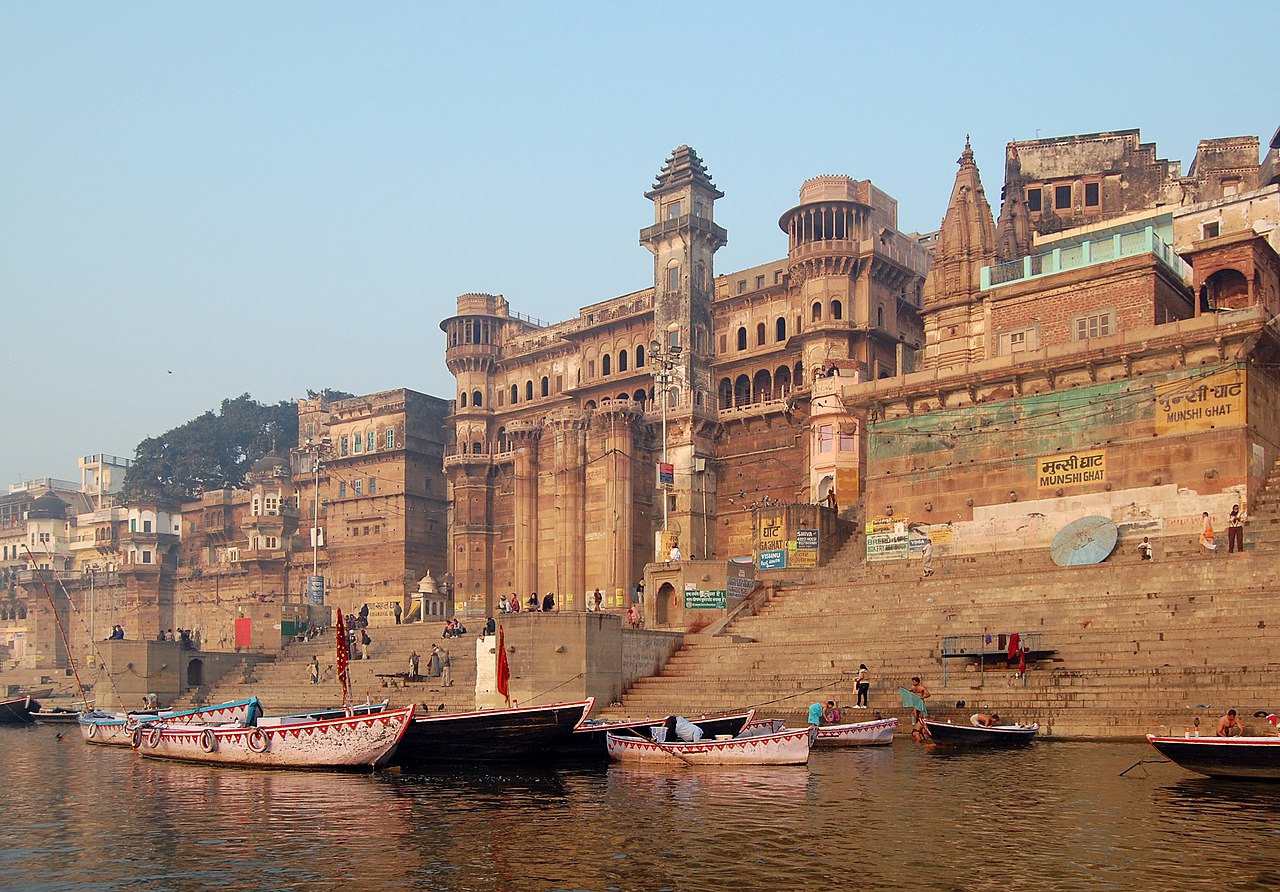


Reviews/Comments
No comments yet — be the first.