Bali
Bali is Indonesia's most famous island, and the one place in the archipelago most travelers build an entire trip around. Come for an unusual range of experience packed into a small area — surf breaks and beach clubs along the south coast, rice-terrace villages and yoga retreats around Ubud, volcano treks and crater-lake temples in the highlands, and a string of black-sand fishing villages along the quieter north and east coasts. Hindu temples, daily offerings, and traditional dance performances give it a culture distinct from the rest of Muslim-majority Indonesia. Most first-time visitors split a week or more between the south coast, Ubud, and one quieter region — Bali rewards slowing down more than it rewards trying to see everything in one trip.
Bahasa Indonesia is the local language, though English is widely spoken in tourist areas. Bali is generally safe, but scooter accidents are common (wear a helmet), and swimmers should watch for strong currents on the south and west coasts and mind the monkeys at temples. Tipping isn't required but is appreciated — 5–10% in restaurants without a service charge.
Bali, often called the "Island of the Gods," is a sensory feast that seamlessly blends natural beauty, deep spirituality, and vibrant culture. From a tourist’s perspective, it feels like a world unto itself, where ancient traditions coexist with modern luxuries.
The island is visually breathtaking, defined by lush, terraced rice paddies that glow emerald green, dense tropical jungles, and dramatic volcanic mountains. The coastlines offer stark contrasts: the west coast boasts world-famous surf breaks and legendary sunsets at cliffside temples like Uluwatu, while the southern peninsula is home to bustling beach clubs and white-sand shores.
Culturally, Bali is unique as a Hindu enclave in predominantly Muslim Indonesia. Daily life is steeped in ritual; visitors will encounter fragrant offerings of flowers and incense called canang sari placed on sidewalks, in temples, and on dashboards. The air is often thick with the scent of clove cigarettes and frangipani, punctuated by the mesmerizing, hypnotic sounds of the gamelan orchestra.
For tourists, the experience is highly customizable. The town of Ubud is the artistic and spiritual heart, offering yoga retreats, holistic healing, the famous Sacred Monkey Forest, and access to crafts villages. The south—areas like Seminyak and Canggu—caters to those seeking trendy cafes, high-end boutiques, and a lively nightlife scene. Meanwhile, the central highlands around Kintamani or Sidemen offer cooler air and a glimpse into slower, traditional village life.
Ultimately, Bali feels like a warm, welcoming place where the locals smile easily, the food is a burst of spice and freshness (think nasi goreng and babi guling), and every day feels touched by a sense of magic and serenity.
Aling-Aling Waterfall: Aling-Aling is a waterfall complex in north Bali, known for natural rock slides and cliff jumping. Come for adventure in a lush jungle setting; local guides are required. Most travelers spend half a day.
Amed is Bali's laid-back northeast coast, a string of fishing villages along a black-sand shore. Come for slow days, snorkeling over shallow coral gardens, diving the nearby USAT Liberty wreck at Tulamben, and sunset views of Mount Agung across the Lombok Strait. It's not a party town — it's hammocks, family-run warungs, and early mornings on the water. Most travelers stay 2–3 days.
Bedugul is a cool mountain escape centered on the Bratan caldera. Come for the iconic Ulun Danu Beratan Temple floating on the lake, strawberry farms, botanical gardens, and waterfall walks. The air is fresh, and it's a welcome break from the humid coast. Most travelers visit as a day trip or stay 1–2 nights.
Besakih Temple: Besakih is Bali's "Mother Temple," a sprawling complex on the slopes of Mount Agung. Come for the island's most important Hindu temple, with tiered shrines and ceremonies. Most travelers spend 2–3 hours.
Candidasa is a quiet east-coast town, less polished than the south. Come for a relaxed base to explore Virgin Beach, Tirta Gangga, and Lempuyang Temple. The town has a small lagoon, beachfront hotels, and good snorkeling and diving nearby. Most travelers spend 2 days.
Canggu is Bali's digital-nomad and surf hub, stretching from Berawa to Seseh. Come for consistent beach breaks, lively cafés, co-working spaces, and a young, international scene. The beaches are better for surfing than swimming; beach clubs and sunsets fill the evenings. Most travelers spend 3–5 days. Canggu isn't one beach town but several stitched together along a few kilometers of coast, and which one you land in shapes the trip more than in most Bali bases. Berawa is the loudest — beach clubs, Finns among them, and the densest concentration of co-working spaces and specialty coffee. Batu Bolong and Echo Beach are the surf center, with the most consistent breaks and the most surf schools. Pererenan and Seseh, further north, are quieter and less built-up, closer to rice paddies than nightlife. The beaches themselves are black volcanic sand with a real reef and beach-break surf scene — better for learning to surf or watching sunset than for swimming. Currents can be strong, especially outside the flagged areas most beach clubs and surf schools patrol, and lifeguard coverage is patchy compared to the calmer bays further south like Sanur or Nusa Dua. Canggu earned its digital-nomad reputation honestly: reliable co-working spaces, a genuine remote-work community, and a café scene built around laptops as much as breakfast are all real fixtures, not just marketing. That same density means traffic — Canggu's roads weren't built for its current volume of scooters and cars, and getting from one end of town to the other at peak hours (sunset, especially) can take longer than the distance suggests. There's no historic old town or temple complex to anchor a day here the way Ubud has — Canggu is a beach-and-lifestyle base, not a cultural one. Most travelers pair a few days here with Ubud or the Bukit peninsula (Uluwatu) rather than staying in Canggu for an entire trip.
Denpasar is Bali's capital and main gateway, often skipped by tourists. Come for local markets, museums, temples, and a non-resort look at Balinese life. Most travelers spend half a day to one day, usually around arrival or departure.
Gilimanuk is the western ferry port for Java, not a destination in itself. Come to access West Bali National Park, Menjangan Island snorkeling and diving, and Banyuwedang hot springs. Most travelers spend one day or just transit through.
Jatiluwih Rice Terraces: Jatiluwih is a UNESCO-listed rice terrace landscape in central Bali. Come for vast, green, undulating terraces with Mount Batukaru as a backdrop; less crowded than Tegallalang. Most travelers spend half a day to one day trekking.
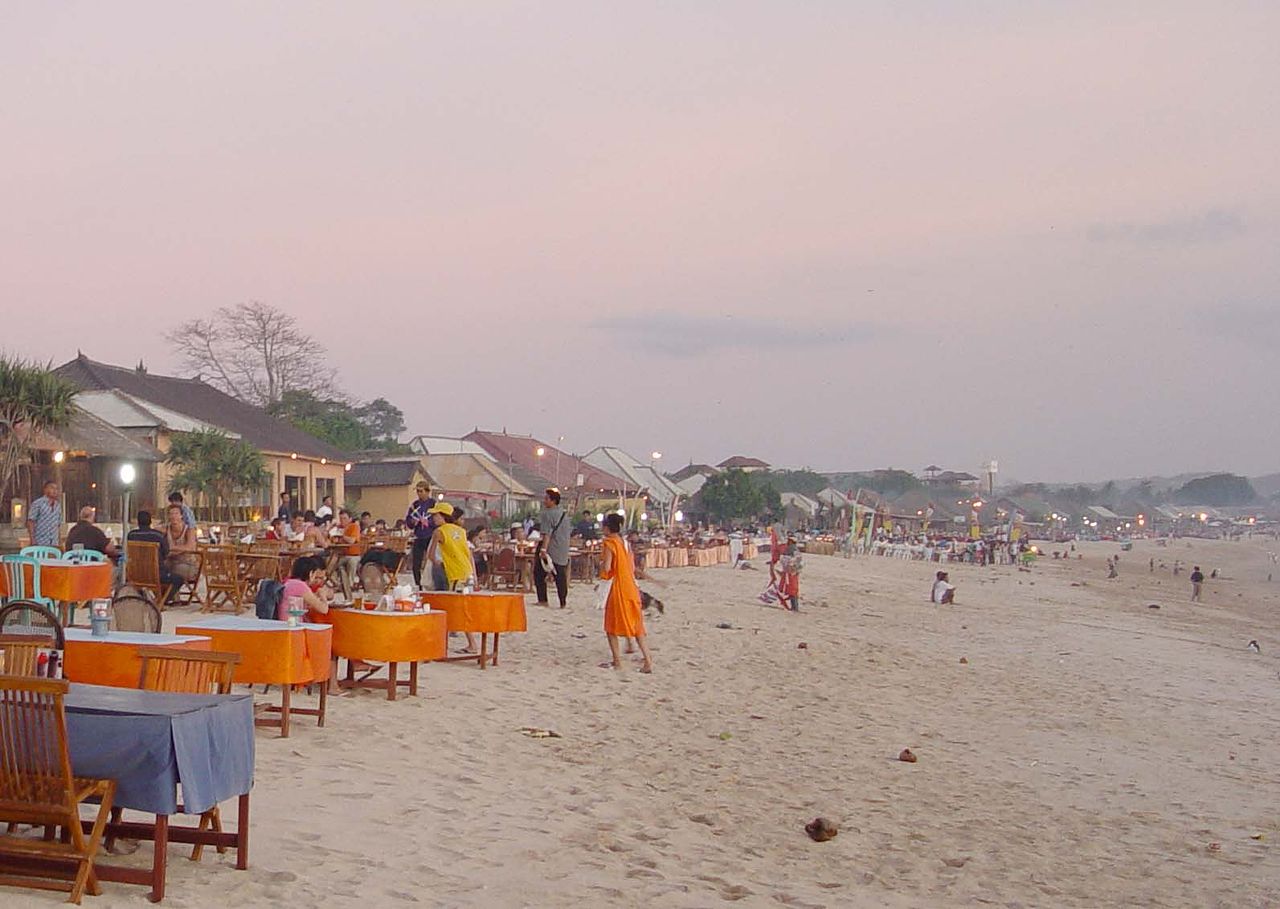
Jimbaran is a south-coast bay known for seafood barbecue dinners on the sand, calm swimming beaches, and family-friendly resorts. Come for sunset seafood feasts, Garuda Wisnu Kencana cultural park, and SAKA Museum. Most travelers spend 1–2 days.
Kintamani is the highland area around Mount Batur and Lake Batur. Come for sunrise volcano treks, crater views, hot springs, and visits to Penglipuran Village. Most travelers spend one day, often as a stop between Ubud and the north or east.
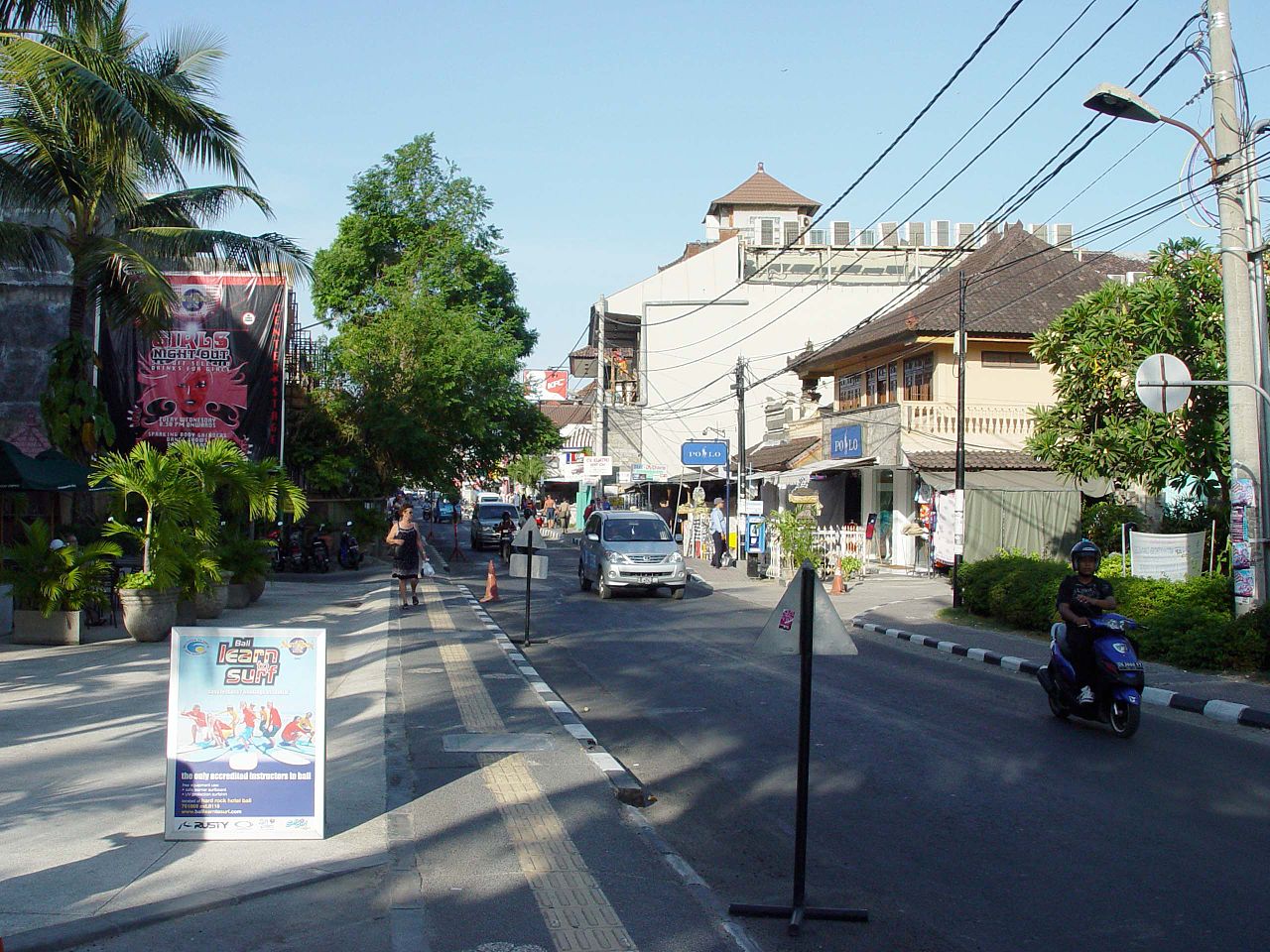
Kuta is Bali's original tourist hub, known for budget stays, nightlife, and a long beach with surf schools. Come for beginner waves, busy bars, and convenience; it's not the prettiest beach but it's central. Most travelers spend 2–3 days.
Lempuyang Temple, or Pura Lempuyang Luhur, is an east Bali temple complex famous for the "Gates of Heaven" photo framing Mount Agung. Come for sunrise views and a spiritual climb; expect queues for photos. Most travelers spend 2–4 hours.
Lovina is north Bali's calm black-sand coast. Come for early-morning dolphin boat trips, snorkeling, hot springs, and waterfalls like Gitgit. It's much quieter than the south. Most travelers spend 2 days.
Mount Batur is an active volcano in Kintamani. Come for sunrise trekking to the crater rim, lake views, and hot springs. Most travelers spend half a day trekking; optional jeep tours are available.
Munduk is a cool mountain village in central Bali, surrounded by clove and coffee plantations, waterfalls, and trekking trails. Come for misty mornings, waterfall walks, and authentic village stays. Most travelers spend 2 days.
Nusa Dua is Bali's manicured luxury enclave on the southeast coast. Come for five-star resorts, calm lagoon beaches, water sports, and the Bali Collection shopping complex. It's family-friendly and safe for swimming. Most travelers spend 2–3 days if resort-based.
Nusa Lembongan is a small island off Bali's southeast coast, with neighboring Nusa Ceningan. Come for slow island life, cliffside viewpoints, seaweed farms, snorkeling with manta rays, and surf breaks. Most travelers spend 2–3 days.
Nusa Penida is the rugged island east of Bali. Come for dramatic coastal cliffs like Kelingking Beach, Angel's Billabong, Broken Beach, and snorkeling with manta rays at Manta Point. Roads are rough; the island is less developed. Most travelers spend 1–2 days as a day trip or overnight.
Padang Bai is a small port town on the east coast, the ferry hub for Lombok and the Gilis. Come for transit, Blue Lagoon snorkeling, and a low-key beach town vibe. Most travelers spend one day or overnight before ferries.
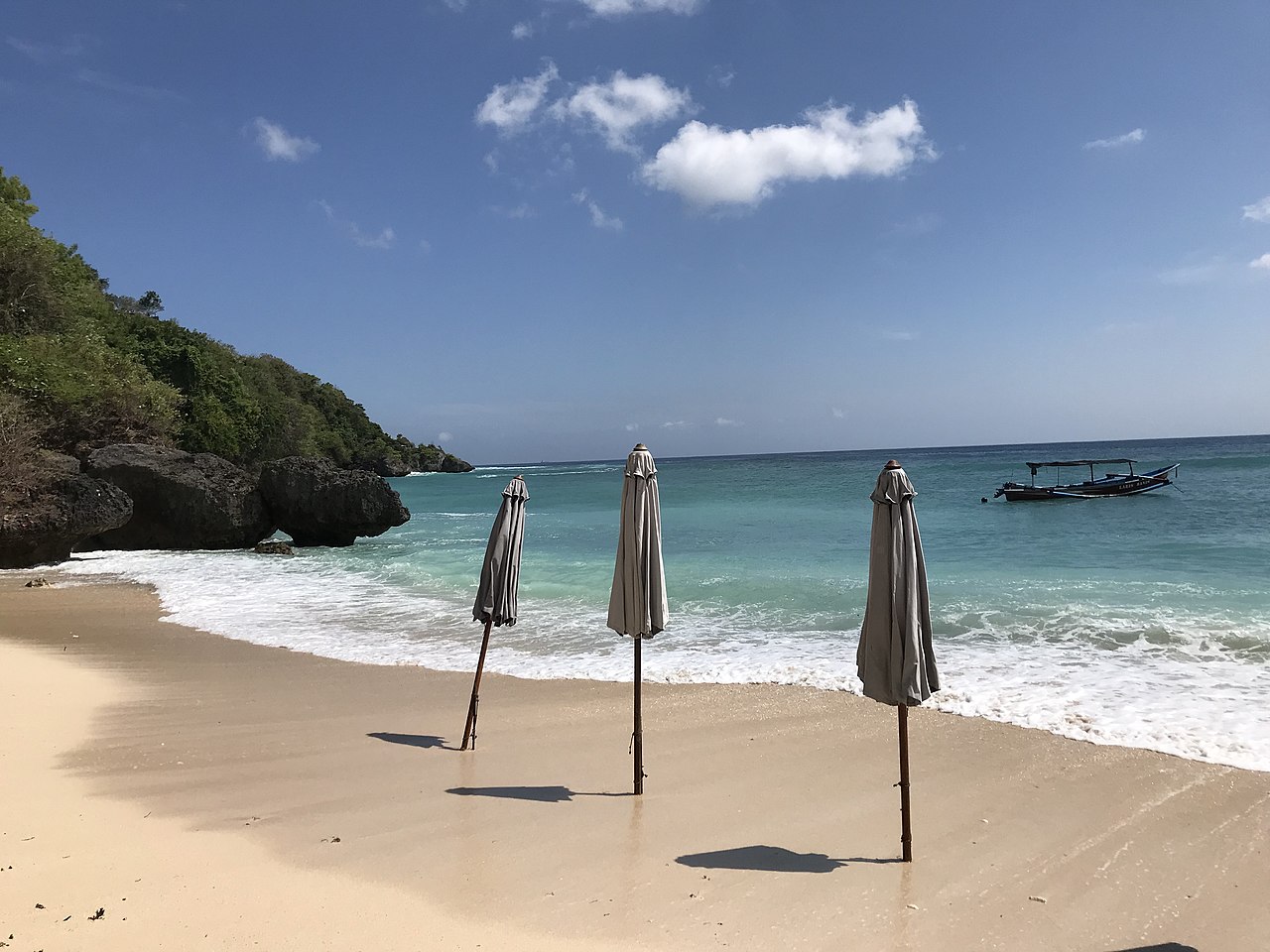
Padang Padang Beach: Padang Padang is a small, stunning cove near Uluwatu, reached by steps through a cave. Come for white sand, turquoise water, and a fun surf break; it can get crowded. Most travelers spend a few hours.
Pemuteran is a laid-back northwest beach village near West Bali National Park. Come for quiet beaches, world-class snorkeling and diving at Menjangan Island, and the Biorock coral restoration project. Most travelers spend 2–3 days.
Sanur is a relaxed southeast coastal town with a paved beach promenade, calm shallow water, and a family-friendly pace. Come for sunrise walks, beginner snorkeling, and fast boat departures to the Nusa islands. Most travelers spend 2–3 days.
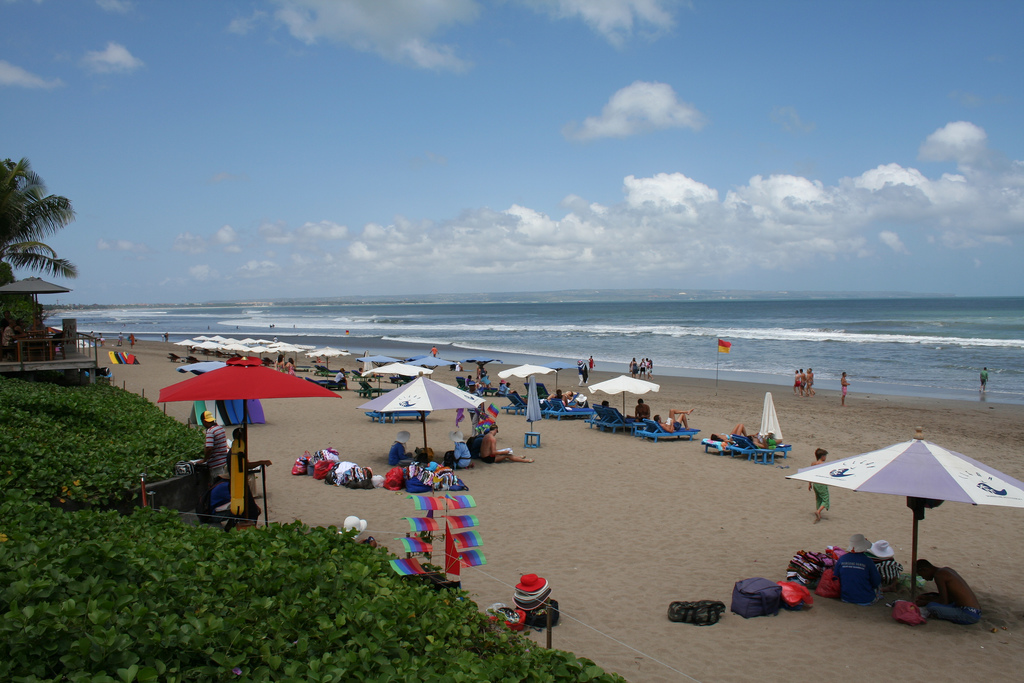
Seminyak is Bali's stylish beach town north of Kuta. Come for boutique shopping, high-end restaurants, beach clubs, and sunset bars. Seminyak Beach and Double Six Beach are lively but can have strong currents. Most travelers spend 2–4 days.
Sidemen is a quiet valley in east Bali, a less-crowded alternative to Ubud. Come for emerald rice terraces, village walks, weaving workshops, and views of Mount Agung. Most travelers spend 2 days.
Tanah Lot is a sea temple perched on a rocky outcrop off the southwest coast. Come for sunset views and the dramatic temple silhouette; it's one of Bali's most photographed sights. Most travelers spend 1–2 hours.
Tirta Gangga Water Palace: Tirta Gangga is a royal water palace in east Bali, with tiered fountains, koi ponds, and stone stepping stones. Come for a serene stop between Candidasa and Amed; good for photos and garden walks. Most travelers spend about one hour.
Ubud is Bali's cultural heart, set among rice paddies and jungle. Come for temples, yoga, art markets, monkey forest, waterfalls, and the Campuhan Ridge Walk. It's also a base for day trips to Tegallalang, Gunung Kawi, and Tirta Empul. Most travelers spend 3–4 days. Ubud earned its reputation as Bali's wellness and arts capital long before Eat, Pray, Love put it on the map — the town itself is compact and walkable, ringed by working rice paddies, and its main streets (Jalan Raya Ubud, Monkey Forest Road, Hanoman) are lined with galleries, yoga studios, and warungs rather than beach bars. It's the quietest, most contemplative base on the island, and the one most travelers pair with a few days on the coast rather than choose exclusively. The rice terraces at Tegallalang and Jatiluwih are Ubud's most photographed sights, cut into the hillsides using the traditional subak irrigation system — a UNESCO-recognized method of water-sharing between farmers that's centuries old. Just outside town, Goa Gajah's 9th-century carvings, the holy spring at Tirta Empul, and the royal tombs at Gunung Kawi are all within a 20–30 minute drive, close enough to combine into a single day. Ubud's wellness scene is genuinely deep, not just a marketing label — daily yoga classes, traditional Balinese healers, and multi-day retreat centers operate alongside a serious food scene built around Indonesian and health-focused menus. The Ubud Art Market and the weekend organic market are good for handicrafts and produce respectively, and the town's gallery scene (Blanco Renaissance Museum, Neka Art Museum, ARMA) is the most concentrated on the island. Most sights charge a small entrance fee (typically 20,000–50,000 IDR) — Tegallalang, the Monkey Forest, and Tirta Empul all do — and Tegallalang in particular is best visited before 8am, since it's a stop on nearly every organized day-tour route out of the south and gets crowded by mid-morning. Ubud has no beach of its own; travelers wanting both should plan it as one leg of a multi-base trip rather than a single stay.
Ulun Danu Beratan Temple: Ulun Danu Beratan is a lakeside temple in Bedugul, appearing to float on Lake Bratan. Come for the iconic water temple, gardens, and cool mountain air. Most travelers spend 1–2 hours.
Uluwatu is Bali's southern cliff coast, known for world-class surf breaks, dramatic limestone cliffs, and Uluwatu Temple with sunset Kecak dances. Come for beaches like Padang Padang, Bingin, and Balangan, and cliffside beach clubs. Most travelers spend 2–3 days.
Uluwatu Temple is a cliff-top sea temple on Bali's southern tip. Come for sunset Kecak fire dance performances, cliff walks, and views over the Indian Ocean; watch for monkeys. Most travelers spend 2–3 hours.
Bali FAQs
For a first trip, 7–10 days lets you split time between Ubud, the south coast, and one island or mountain area.
Yes, but road accidents and petty theft are the main risks. Use helmets, lock valuables, and avoid unlit roads at night.
Many countries get Visa on Arrival or e-VOA; check the latest Indonesian immigration rules before you fly.
Indonesian rupiah (IDR).
April–October is the dry season. May–September has the most reliable weather, while July–August is busiest.
Things to do in Bali









Reviews/Comments
- shishirkush7/15/2026
Hello