
Labuan Bajo
Labuan Bajo is the gateway to Komodo National Park and has grown, in barely over a decade, from a sleepy fishing harbor into Flores' busiest tourist town, with waterfront hotels, dive shops, and a harbor full of liveaboards catering to a mix of backpackers and increasingly upmarket visitors. The draw is almost entirely what lies offshore: Komodo dragons on Komodo and Rinca islands, the postcard viewpoint atop Padar Island, Pink Beach's coral-sand shoreline, and some of Indonesia's best manta ray and reef diving in the currents around the park.
The town itself is unremarkable — a strip of restaurants and dive shops along the harbor road, with sunset drinks over the bay as the main evening activity — and few visitors treat it as anything more than a base. Prices have risen sharply as the park's popularity has grown and Indonesia has periodically raised (and reversed) plans for steep conservation fees, so it's worth checking current entry costs before booking, since they've fluctuated considerably.
Most people organize their days around boat trips: a single long day trip covering Padar, Komodo or Rinca, and Pink Beach is common but rushed, while a 2-3 day liveaboard gives more time at each site and better odds of good manta and dragon sightings without crowds. Land-based excursions exist — waterfall hikes, a cave, some diving from shore near town — but they're secondary to the boat-based park visits that define a Labuan Bajo trip.
Because of its growth, Labuan Bajo has decent infrastructure by Flores standards: reliable ATMs, a range of accommodation from hostels to five-star resorts, and enough dive operators that shopping around for a trustworthy one (checking safety records, group sizes, and what's genuinely included) is worth the effort rather than booking the first quote you get.
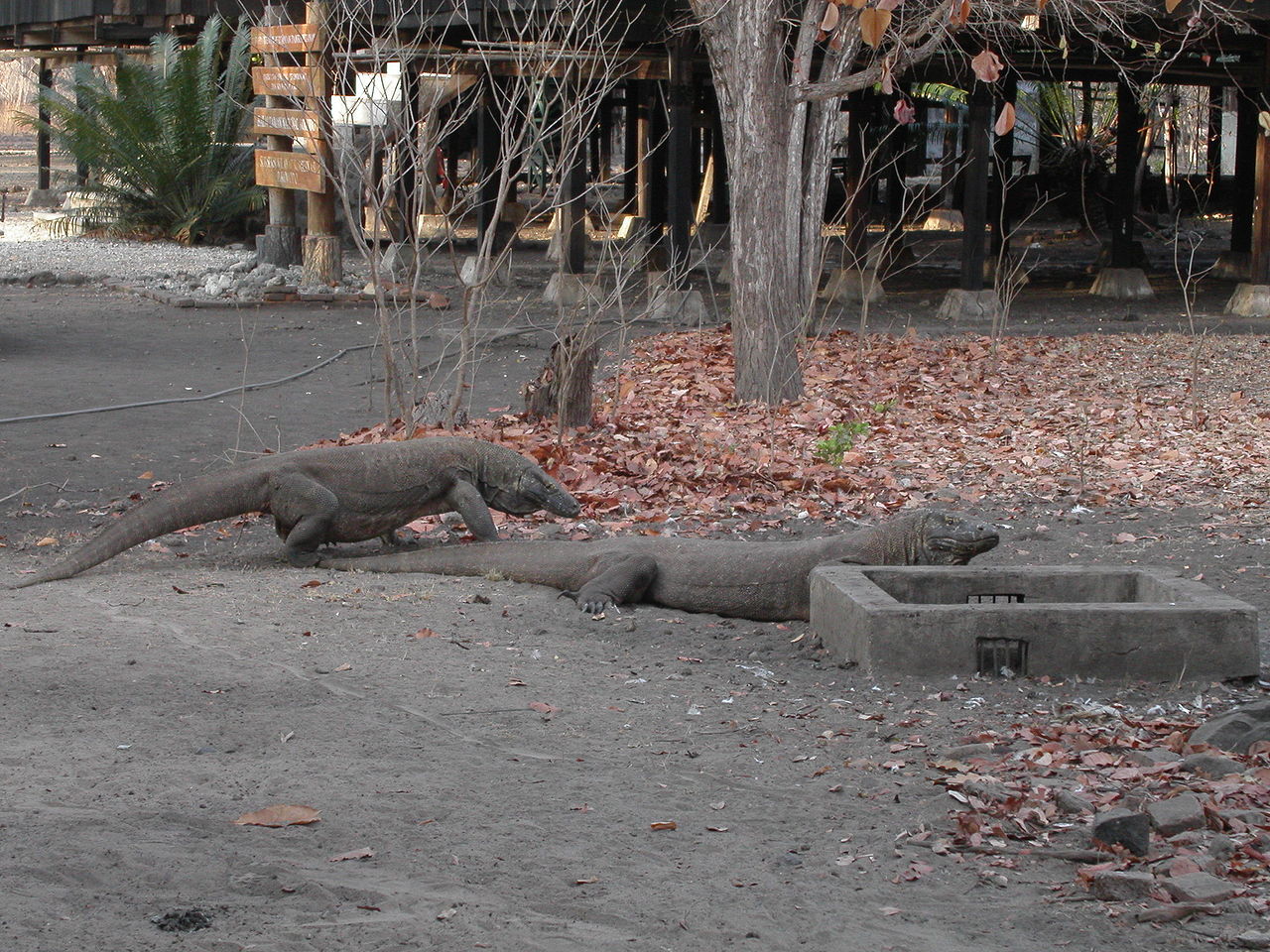
Komodo National Park: This is the only place on Earth to see Komodo dragons in the wild, and the park's islands — Komodo, Rinca, and Padar among them — combine that with some of Indonesia's best diving and snorkeling and the famous pink-sand beach. A dragon sighting is essentially guaranteed on a guided walk at either Komodo or Rinca island, since rangers know where they congregate near the ranger stations and water points. Beyond the dragons, most visitors extend into a 2-3 day liveaboard covering Padar Island's viewpoint hike, Pink Beach snorkeling, and manta ray spots, since the park's real appeal is the combination of terrestrial wildlife and marine life in one archipelago. A single day trip covers the dragons but misses most of what makes the wider park worth the trip.
Wae Rebo is one of the last places to see Manggarai cone-shaped thatched houses (mbaru niang) still lived in as a functioning village rather than preserved as a museum piece, which is part of why it's UNESCO-recognized. Reaching it requires real effort — a genuinely steep hike through cloud forest — and most visitors stay overnight with a local family, sharing simple meals and sleeping in one of the traditional houses. The village sits at around 1,200 meters, often wrapped in mist, with just seven traditional houses arranged around a central ceremonial space. It's not a day-trip-friendly stop given the hike distance and altitude change, and the isolation is precisely what has kept the culture and architecture intact.
Labuan Bajo FAQs
Three to four days lets you do a proper multi-island boat trip or short liveaboard without rushing; a single long day trip can cover Padar, Komodo/Rinca, and Pink Beach but it's a full, tiring day with little time at any one stop.
Yes, entry to Komodo National Park requires a ranger-guided permit purchased at the park gate or through your boat operator; fees have changed several times in recent years including a since-reversed plan for a much higher conservation charge, so confirm current pricing when booking rather than relying on older information.
Yes, when following a licensed ranger — dragons are genuinely dangerous and rangers carry forked sticks and keep visitors at a safe distance and on marked trails; incidents are rare precisely because of these rules, so don't wander off on your own.
A day trip suits a short visit or tighter budget and covers the highlights in a single long outing, while a 2-3 day liveaboard is worth it for better diving and snorkeling access, less crowded viewpoints, and more relaxed pacing if you have the time and budget.
April to June and September to November avoid both the peak dry-season crowds and the wetter months; July-August is driest but busiest and can bring choppier seas for boat trips, while the wet season (December-March) brings rain and rougher water that can cancel or delay boat departures.
Things to do in Labuan Bajo

Reviews/Comments
No comments yet — be the first.